Dog DNA Profile Test USA | Canine Identity Records | uDNA
Canine identity and recordkeeping

Create a dog DNA profile for identity and recordkeeping.

A dog DNA profile creates a genetic identity reference for one dog. It can support organized records, breeder or kennel documentation, identity matching and certain parentage workflows.

Direct answer

This is an identity-style DNA service. It is not the same as a dog breed estimate, inherited disease screen or automatic proof of legal ownership.

  • At-home cheek-swab collection
  • Clear test-selection guidance
  • Identity-focused reporting
Dog DNA profile consultation and sample kit shown in a clean editorial setting
Before ordering Confirm whether you need routine identity records, parentage testing or legally documented collection.
Sample Non-invasive cheek swab
Primary purpose Canine identity record
Common users Owners, breeders and organizations
Estimated timing Confirm before ordering
Choose the correct service

Is a dog DNA profile the right test for your goal?

Start with the question you need answered. A canine DNA profile is useful when the priority is identity and documentation rather than ancestry, appearance traits or health-risk screening.

A dog DNA profile may be appropriate for

  • Creating a unique genetic reference for one dog.
  • Supporting breeder, kennel or litter records.
  • Comparing samples within a planned parentage workflow.
  • Maintaining an additional identity record for a working or valuable dog.
  • Helping an organization standardize canine documentation.

Choose another test when you need

  • A breed or ancestry estimate.
  • Screening for inherited canine diseases.
  • Allergy or microbiome information.
  • A result that automatically establishes ownership.
  • Legal evidence without verified chain-of-custody collection.
Testing option Main question answered Typical use
Dog DNA profile What genetic identity record belongs to this dog? Identity records, documentation and selected parentage workflows.
Dog breed test Which breeds may contribute to this dog’s ancestry? Breed composition, ancestry estimates and breed-related context.
Dog disease test Which selected inherited variants were detected? Health screening discussions with a veterinarian.
Parentage testing Are the tested dogs genetically consistent with the stated relationship? Planned sire, dam and offspring comparisons using all required samples.
Sample collection

What this test is designed to help with

The value of a dog DNA profile depends on collecting the correct dog’s sample, labeling it accurately and choosing the right service before the kit is returned.

  • Creates a consistent identity reference for recordkeeping.
  • Can support organized kennel, breeder or canine program files.
  • May be used alongside properly planned parentage testing.
  • Uses a non-invasive cheek-swab collection process.
  • Helps distinguish identity profiling from breed and disease testing.
Important: Do not let dogs share food, water, toys or treats immediately before collection. Follow the instructions supplied with the selected kit and label every sample before moving to the next dog.
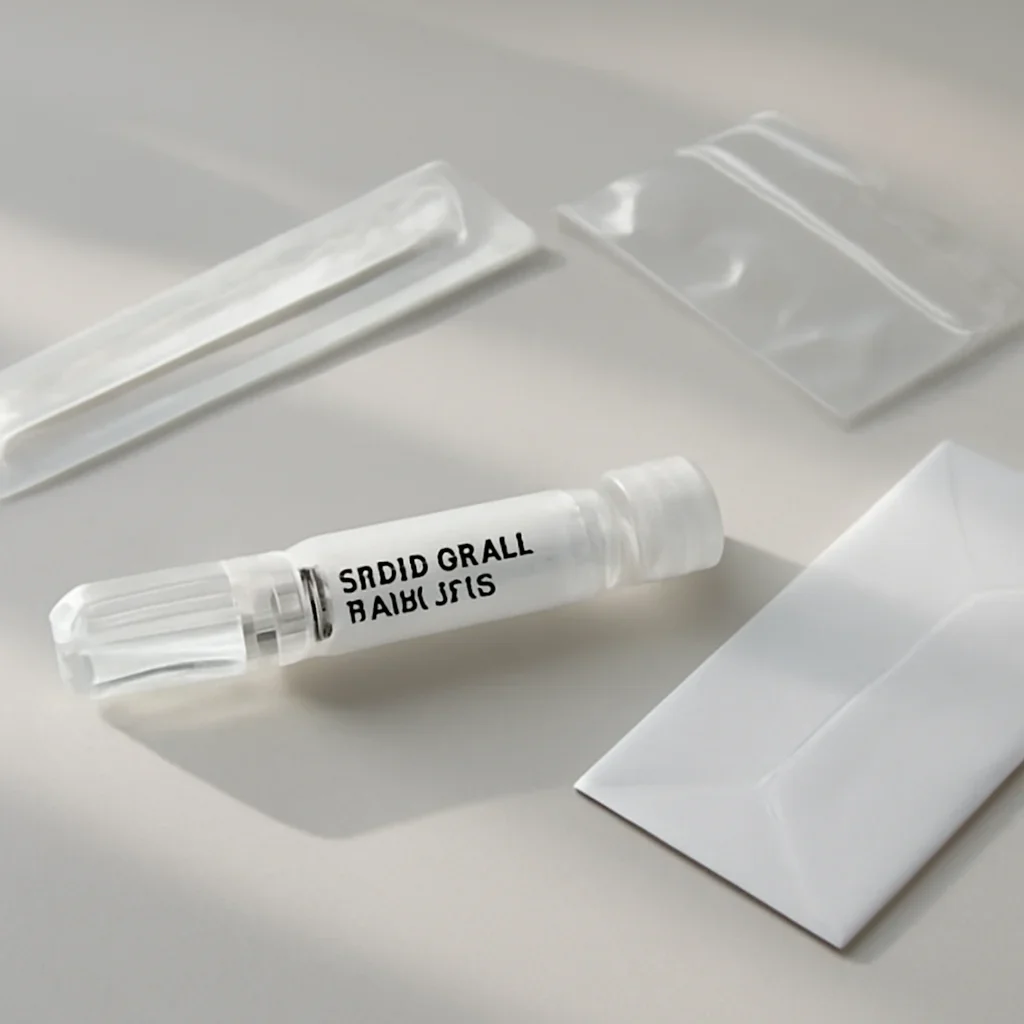
Dog DNA profile cheek-swab sample collection materials prepared on a clean table
Simple ordering process

How dog DNA profiling usually works

Requirements can differ between routine recordkeeping, parentage comparisons and legal-use cases. Confirm the purpose first so the correct collection procedure is followed from the beginning.

  1. Confirm the goal

    Decide whether you need an identity profile, parentage comparison, breed result or health screen.

  2. Collect the sample

    Use the supplied cheek swab and follow the preparation, swabbing and labeling instructions carefully.

  3. Return the kit

    Package and return the sample according to the instructions provided for the selected service.

  4. Review the report

    Use the profile for its stated purpose and keep the report with the dog’s supporting records.

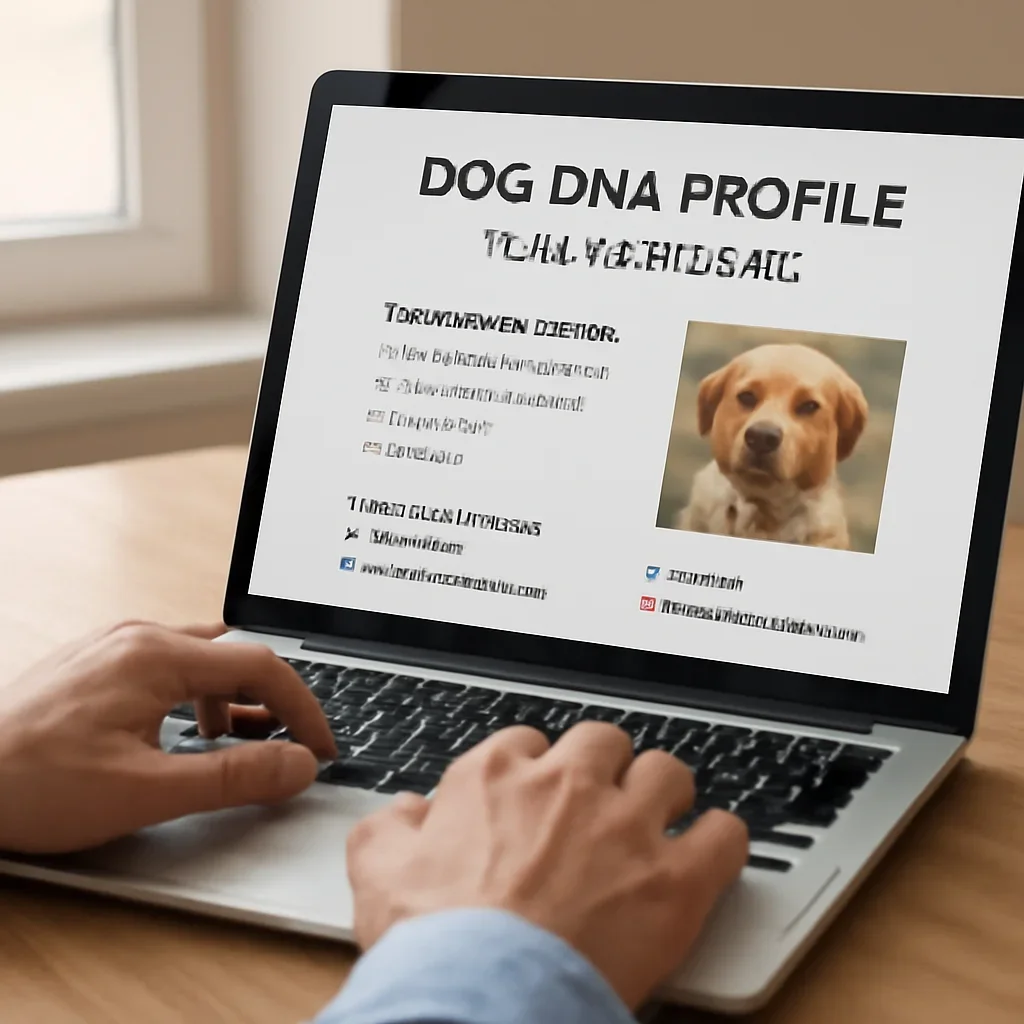
Dog DNA profile report summary being reviewed on a laptop
Understanding the result

How to think about your dog’s DNA profile report

A DNA profile is best understood as a genetic identity reference. The report may document the selected markers used to distinguish one tested dog from another or support a related comparison.

It should not be interpreted as a breed percentage report, a veterinary diagnosis or a universal ownership certificate. Those questions require different evidence and, in some cases, different testing procedures.

  • Confirm the dog’s name or identifier shown on the report.
  • Check that the sample information matches your submission records.
  • Store the report with registration, veterinary or breeder documents.
  • Ask for clarification before relying on the result in a dispute.
Local search reality

Dog DNA profile guidance across the United States

For an at-home dog DNA service, searching for testing “near me” usually means confirming kit shipping, sample-return logistics, support access and any state-specific documentation needs. It does not necessarily mean visiting a local storefront or veterinary clinic.

DNA testing near me guide
No false local-office claims uDNA provides online test-selection and collection guidance. Confirm current shipping coverage, turnaround estimates and any required supervised collection before placing an order for a specific location.
Questions before ordering

Four decisions that prevent the most common mix-ups

Clear test selection is more useful than ordering the closest-sounding service. Use these questions to confirm that a dog DNA profile matches the result you actually need.

01

What question am I answering?

Identity, breed, disease risk, allergy testing and parentage are separate testing goals.

02

How many dogs need testing?

A profile for one dog differs from a parentage comparison involving an offspring and potential parents.

03

Is this for personal or official use?

Legal or evidentiary use may require witnessed collection, identity verification and documented custody.

04

How will I use the report?

Plan where the profile will be stored and which supporting records should remain with it.

Customer receiving guidance about a dog DNA profile from a testing specialist
Clearer guidance

Why clarity matters when choosing a canine DNA service

Dog DNA terminology can sound interchangeable even when the reports serve very different purposes. uDNA keeps the page focused on sample type, intended use, report limits and the practical questions that should be answered before ordering.

Clear test scope

Understand what a profile can and cannot establish before submitting a sample.

Appropriate collection guidance

Use routine at-home collection only when it matches your intended use.

Privacy-conscious handling

Review how test information and results are handled before submitting personal details.

Responsible report use

Veterinary, ownership and legal decisions may require additional professional guidance.

Helpful resources

Learn more before creating a profile

These related pages explain how canine identity profiling fits within broader pet DNA testing and documentation decisions.

Frequently asked questions

Dog DNA profile questions

These answers address the practical differences between identity profiling, breed testing, parentage, ownership documentation and legal collection.

What is a dog DNA profile?

A dog DNA profile is a genetic identity record created from selected DNA markers. It may be used for identity records, breeder or kennel documentation and certain parentage workflows. It is different from breed identification and inherited disease screening.

Does a dog DNA profile identify my dog’s breed?

Not necessarily. A DNA identity profile and a breed identification test answer different questions. Owners seeking ancestry or breed estimates should choose a dog breed test designed for that purpose.

Can a dog DNA profile prove ownership?

A profile may help connect a tested sample to a genetic identity record, but it does not automatically establish legal ownership. Registration, adoption, veterinary, purchase and chain-of-custody documents may also be relevant.

How is the sample collected?

Collection is generally completed with a cheek swab. Accurate labeling, careful swabbing and following the kit instructions are important for obtaining a usable sample.

How long do dog DNA profile results take?

Timing depends on the selected service, sample quality, shipping and laboratory workload. Many identity-style or parentage services may be completed in approximately 10 working days after an acceptable sample reaches the laboratory, but the current estimate should be confirmed before ordering. You can also review the general guide to DNA test turnaround times.

Do I need legal chain-of-custody collection?

Routine personal recordkeeping may not require supervised collection. A legal dispute, official proceeding or evidentiary use may require verified identification, witnessed collection and documented chain of custody. Confirm the requirements before collecting any samples.

How accurate is a dog DNA profile?

The usefulness of the profile depends on the markers used, the quality of the sample, correct labeling and whether the right dogs were tested for the intended comparison. Avoid treating one general accuracy percentage as applicable to every possible use. Read more about DNA test accuracy.

Choose with confidence

Need help choosing the right dog DNA test?

Tell uDNA whether you need an identity profile, breed information, inherited disease screening, parentage support or legally documented collection. Clear guidance before ordering can prevent collecting the wrong samples or selecting the wrong report.

Testing requirements, laboratory timing and acceptable uses can vary. Confirm the current service details before placing an order.
Support specialist guiding a customer through dog DNA testing options