You are checking an at-risk breed or family line
The test is most relevant for Persian and Persian-related cats, especially when ancestry, pedigree records or previous litters raise concern.
A PKD cat test can help owners, veterinarians and responsible breeders check for a known inherited PKD1 variant associated with polycystic kidney disease. It is especially relevant for Persian cats and cats with Persian ancestry, including some Exotic Shorthair lines.

This page is built for people searching specifically for inherited feline polycystic kidney disease screening. A broader cat disease test may be a better fit when you need information on multiple genetic conditions.
The test is most relevant for Persian and Persian-related cats, especially when ancestry, pedigree records or previous litters raise concern.
A targeted result can help inform whether a cat should be discussed further with a veterinarian before breeding.
Changes in thirst, urination, appetite, weight or energy require veterinary attention. A mail-in genetic test should not delay care.
For broader breed, trait or health-related browsing, begin with the pet DNA test guide.
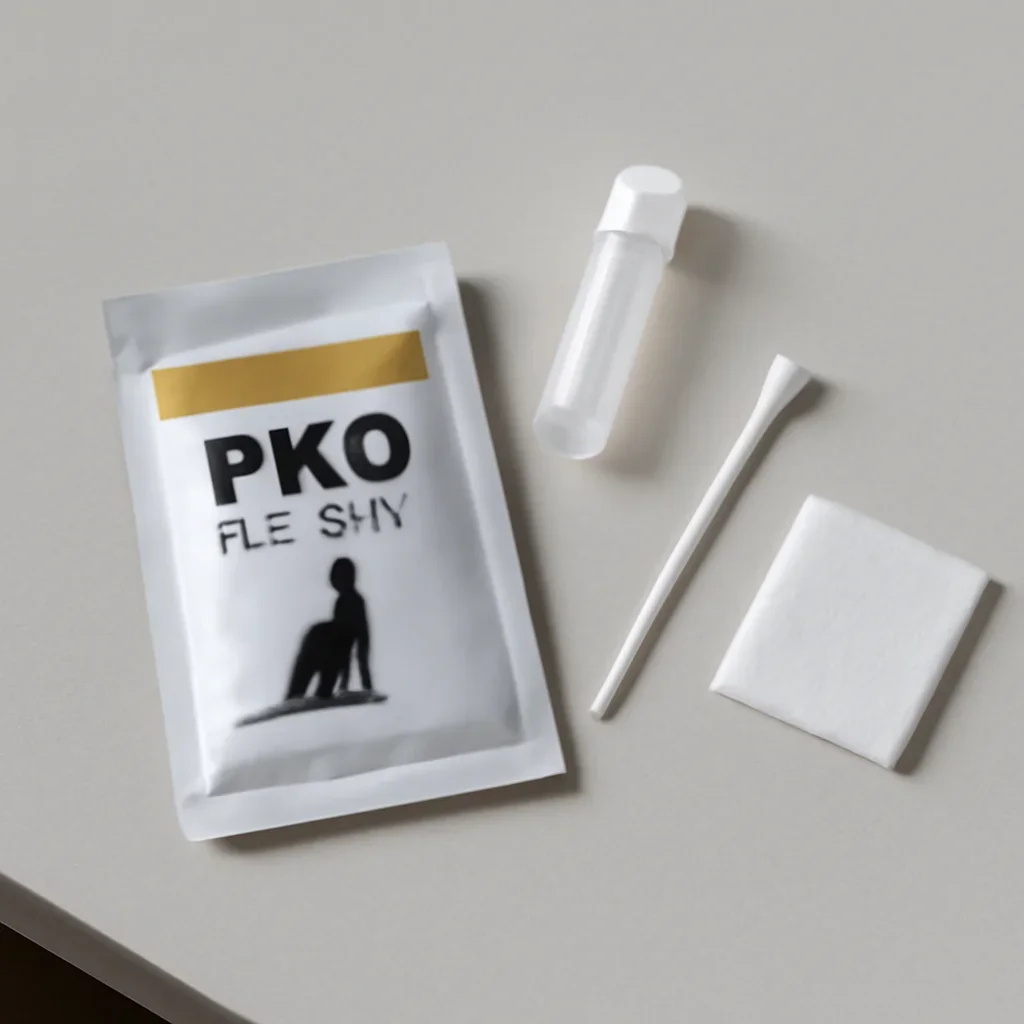
A focused test checks the submitted sample for the specific PKD1 variant included in the laboratory analysis. The report may help clarify inherited risk, but it does not show how much kidney damage is present or predict exactly when signs may develop.
Always follow the instructions included with the exact kit. Collection details, labeling requirements, return packaging and processing times can vary.
Confirm that you need PKD1 screening rather than a broader feline panel or a veterinary diagnostic appointment.
Read every preparation, swabbing, labeling and return step before opening the collection materials.
Use only the supplied materials and keep the collection end away from hands, food and other animals.
Send the sample through the listed return route, then read the final report in the correct veterinary and breeding context.
Need collection details before ordering? Review the at-home sample collection guide. Poor labeling, contamination or an insufficient swab can delay processing or require recollection.
Exact wording varies by laboratory. The table below explains the practical questions to ask rather than promising a specific report format.
| Possible report finding | What it generally means | Responsible next step |
|---|---|---|
| Tested PKD1 variant not detected | The laboratory did not identify the specific variant included in the analysis. This does not rule out every kidney condition or every possible genetic cause. | Keep routine veterinary care and investigate any symptoms or abnormal kidney findings separately. |
| Tested PKD1 variant detected | The tested inherited variant was found. A genetic result does not show present disease severity or current kidney function. | Discuss the result with a veterinarian and avoid making breeding decisions without qualified guidance. |
| Sample issue or inconclusive result | The laboratory may not have enough usable DNA or may be unable to produce a clear result from the submitted sample. | Follow the provider's recollection or retesting instructions rather than guessing from an incomplete report. |
For a broader explanation of result language, use uDNA's DNA test results guide. Veterinary decisions should be based on the cat's full clinical picture, not one isolated line in a report.
A responsible program connects genetic results to confirmed identity, accurate sample labeling, pedigree records, veterinary input and clear communication with future owners. The test should reduce uncertainty, not create a false guarantee of lifelong health.
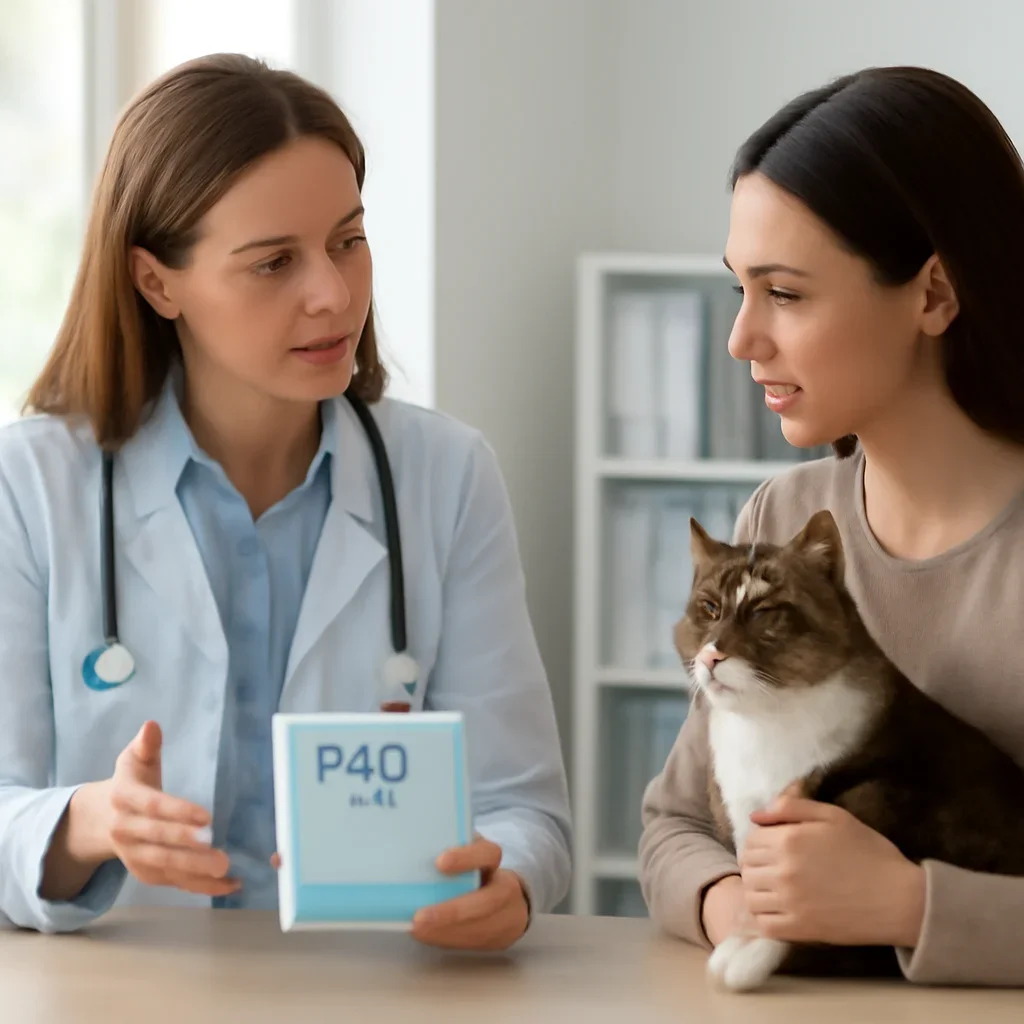
People searching for a “PKD cat test near me” may not need a local collection office. When the selected kit permits at-home collection, the practical local factors are delivery availability, return shipping, sample quality and access to a veterinarian for follow-up.
uDNA provides location guidance for customers in large cities, suburbs and rural communities. State pages can help you start locally, but the PKD1 test itself may still use a mail-in cheek-swab workflow.
These links support different search intents so owners and breeders can move from a broad question to the most relevant testing path.
For additional context, review veterinary genetics and peer-reviewed information about feline PKD1, inherited risk and the role of imaging.
These concise answers are written for owners and breeders comparing targeted feline genetic testing options.
A focused PKD cat test looks for a known PKD1 genetic variant associated with inherited polycystic kidney disease in Persian and Persian-related cats. It does not measure current kidney damage or replace veterinary imaging.
Testing is most relevant for Persian cats, cats with Persian ancestry and breeding lines where feline polycystic kidney disease is a concern. A veterinarian or responsible breeder can help decide whether it fits a specific cat.
The workflow described by uDNA uses a cheek swab. Follow the exact collection, labeling, drying and return instructions included with the kit, because handling requirements can affect sample quality.
The typical estimate shown by uDNA is about 10 working days after the laboratory receives an acceptable sample. Shipping time, sample quality, holidays and laboratory workflow can affect the final timeline.
No. A result that does not detect the tested PKD1 variant does not rule out every possible cause of kidney disease or every genetic variant. Cats with symptoms or clinical concerns still need veterinary evaluation.
No. A targeted genetic result identifies whether the tested variant was detected. It does not show the number of kidney cysts, current kidney function, age of onset or how quickly disease may progress.
Tell uDNA your cat's breed or known ancestry, whether the result is for personal health planning or breeding, and what you are trying to confirm. The team can help you compare a focused PKD1 test with broader cat testing options.

Updated July 2026. This page provides general educational and test-selection information. It is not veterinary diagnosis or treatment advice.