01
Accurate case details
Names, contact information, kit identifiers, participant details, and consent forms should match the instructions for the selected service.
DNA testing can involve personal details, sample identifiers, consent documents, laboratory partners, and sensitive reports. uDNA explains how these pieces may move through an order so you can choose the correct test, understand who may handle the information, and protect access to your results after delivery.
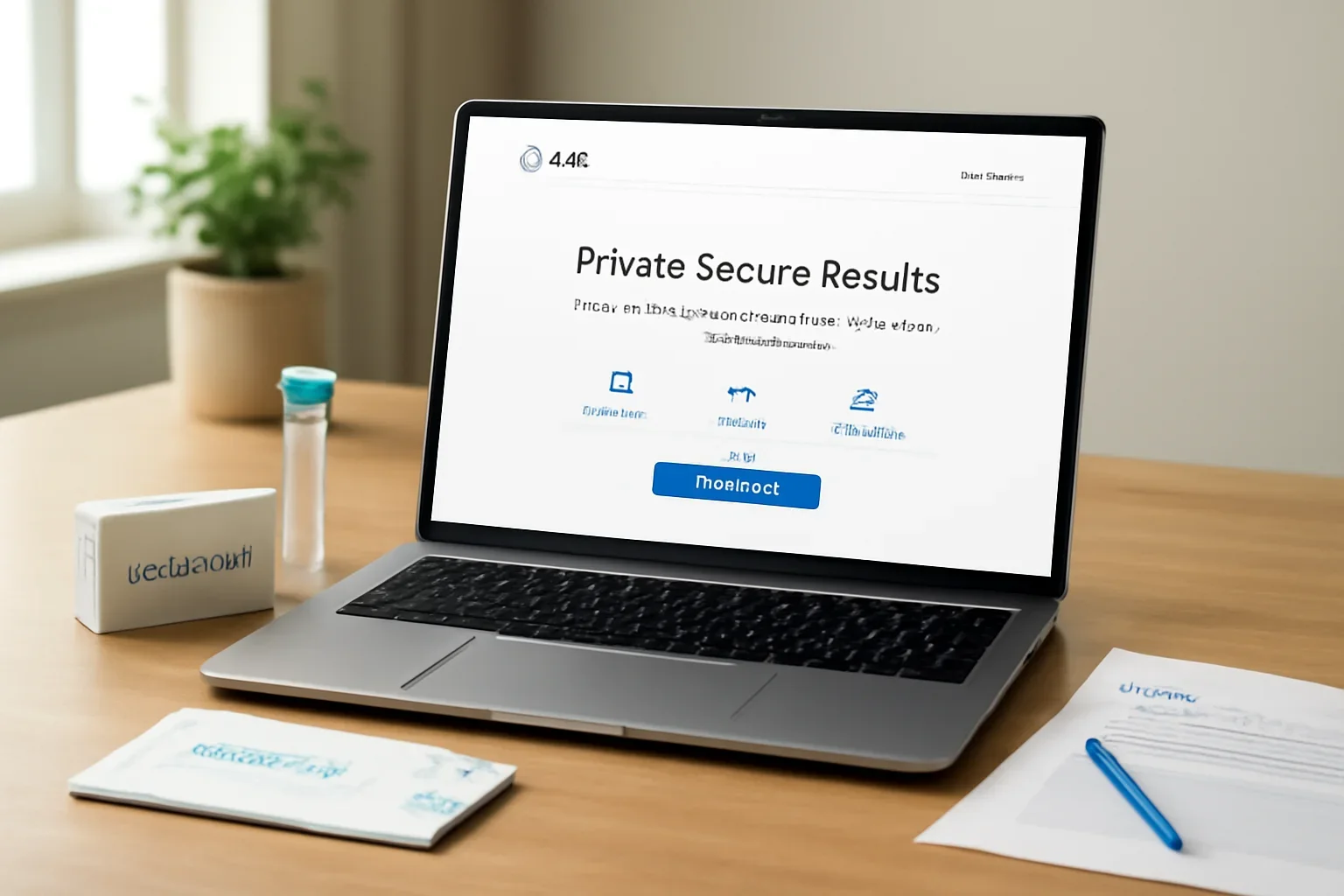
How are DNA test results kept private? Results and case communications are generally connected to the applicable order, kit, laboratory reference, email address, portal, or other approved delivery method. The exact process depends on the selected test and the laboratory or provider involved.
Accurate order details and the correct testing workflow help reduce communication errors, unidentified samples, processing delays, and reports being directed through the wrong contact route.
Names, contact information, kit identifiers, participant details, and consent forms should match the instructions for the selected service.
Order updates and result notifications follow the communication route connected to the applicable order, reseller, laboratory, or provider workflow.
Information needed to complete the service may be shared with the laboratory, fulfilment provider, courier, payment processor, or other service partner involved in that order.
No website, email service, electronic transmission, or storage system can be guaranteed completely secure. Customers also have an important role in protecting order information and result access.
The exact information depends on the service. A routine pet test may require less documentation than a human health, prenatal, identity, or legal testing workflow.
Understand when HIPAA may applyExact steps vary, but most testing orders move through these five stages.
Decide whether the result is personal, health-focused, legal, identity-related, or for a pet.
Submit the contact information, consent, identification, or documentation required for that test.
Use the enclosed instructions or attend a supervised collection when the workflow requires it.
The participating laboratory or testing provider receives, verifies, and analyzes the submitted sample.
Results may be provided by email, portal, downloadable report, or another method approved for the service.
Start with the way the report will be used. Choosing by price or convenience alone can lead to the wrong collection process or privacy expectations.
Many informational tests allow self-collection, but users must follow the kit-specific labeling and return instructions.
Review home collectionCourt, immigration, identity, or administrative use may require witnessed collection and documented sample handling.
Review chain of custodyPrivacy requirements may depend on the laboratory, provider relationship, consent documents, and whether a regulated healthcare workflow is involved.
Explore genetic testingPet DNA information is not human protected health information, although order, payment, contact, and account information still requires appropriate handling.
Explore pet DNA testsPrivacy, consent, genetic-testing, laboratory, and consumer requirements can differ by location and testing purpose. Review the documents issued for the actual laboratory, provider, clinic, collection site, or service used for your order.
uDNA operates through a reseller process. In some reseller, provider, clinic, or drop-ship arrangements, case communications and results may be directed through the organization or person who placed the order rather than directly to the tested participant. Confirm the contact route before submitting a sample.
No. Depending on the selected test and provider, results may be delivered by email, through a secure portal, as a downloadable report, through the ordering party, or by another approved method. Review the instructions for the specific service.
No. HIPAA generally depends on whether identifiable health information is handled by a covered healthcare organization or business associate in a regulated workflow. A direct-to-consumer or pet DNA test may not fall under HIPAA, although other privacy requirements may still apply.
Information reasonably needed to complete an order may be handled by uDNA, the applicable laboratory or testing provider, fulfilment and shipping providers, payment processors, communication platforms, support providers, and other service partners involved in the workflow.
Do not assume that it can. Courts, government agencies, attorneys, and other requesting organizations may require identity verification, witnessed collection, documented sample transfers, or other formal chain-of-custody procedures.
The uDNA privacy policy states that personal testing information is not sold to third-party advertisers. Information may still be shared when reasonably necessary to process an order, complete testing, deliver a report, provide support, prevent fraud, or meet legal obligations.
Identify the test, order number, laboratory, provider, collection site, and ordering party involved. Then contact uDNA or use the privacy contact listed in the applicable provider or laboratory documentation.
Share the purpose of the test, who will use the report, your location, and whether another organization requires specific collection or documentation. uDNA can help you identify the most relevant test category and workflow before you order.

This page provides general educational information and does not replace the privacy notice, consent documentation, collection requirements, legal advice, or medical guidance that applies to a specific laboratory, provider, testing service, or jurisdiction.