Dog owners
Owners may use inherited disease screening to learn whether selected variants could be relevant to future veterinary monitoring or family health history.
Explore pet DNA testing
Explore cheek-swab DNA screening for hereditary disease variants in dogs. uDNA helps owners, breeders, and veterinary professionals understand which test may fit the dog’s breed, family history, and testing goal before an order is placed.
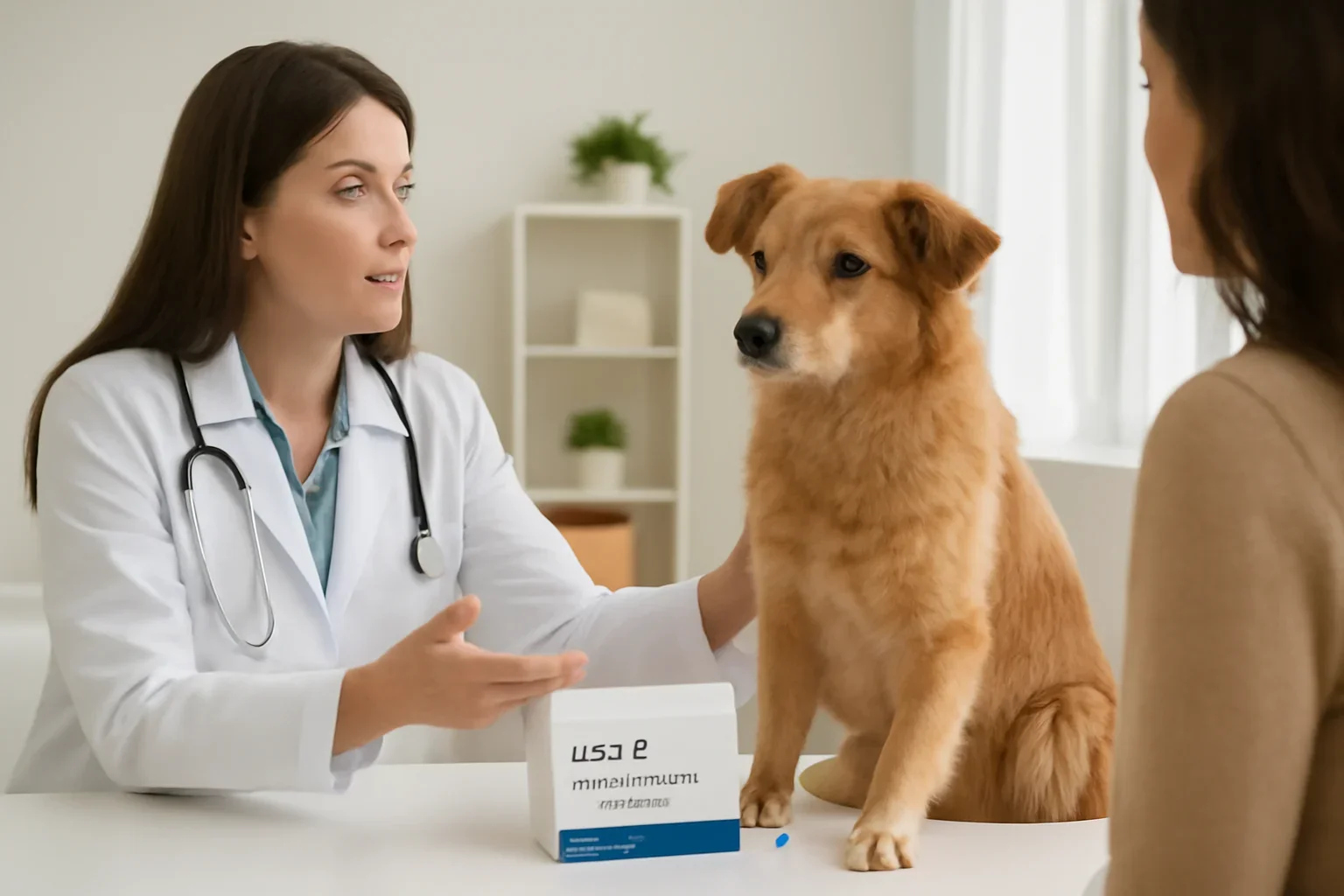
A dog disease DNA test analyzes selected genetic variants associated with inherited canine conditions. Depending on the test, breed, and condition, a report may indicate whether a dog carries no tested copy, one tested copy, or a combination associated with increased genetic risk. It is a screening tool, not a stand-alone veterinary diagnosis.
The most useful test is not always the largest panel. Start with the dog’s breed, known family history, symptoms, breeding plan, and the specific question you want the report to help answer.
Owners may use inherited disease screening to learn whether selected variants could be relevant to future veterinary monitoring or family health history.
Explore pet DNA testingBreeders may use genetic screening alongside pedigrees, health records, physical examinations, and breed-club guidance when planning potential pairings.
DNA testing for breedersA veterinarian may review the report together with the dog’s clinical history, examination findings, breed risks, and other diagnostic information.
Discuss the testing goalGenetic conditions are not distributed equally across every dog breed. A variant that is useful for one breed may have limited relevance for another, while some panels are designed for multiple breeds or mixed-breed dogs.
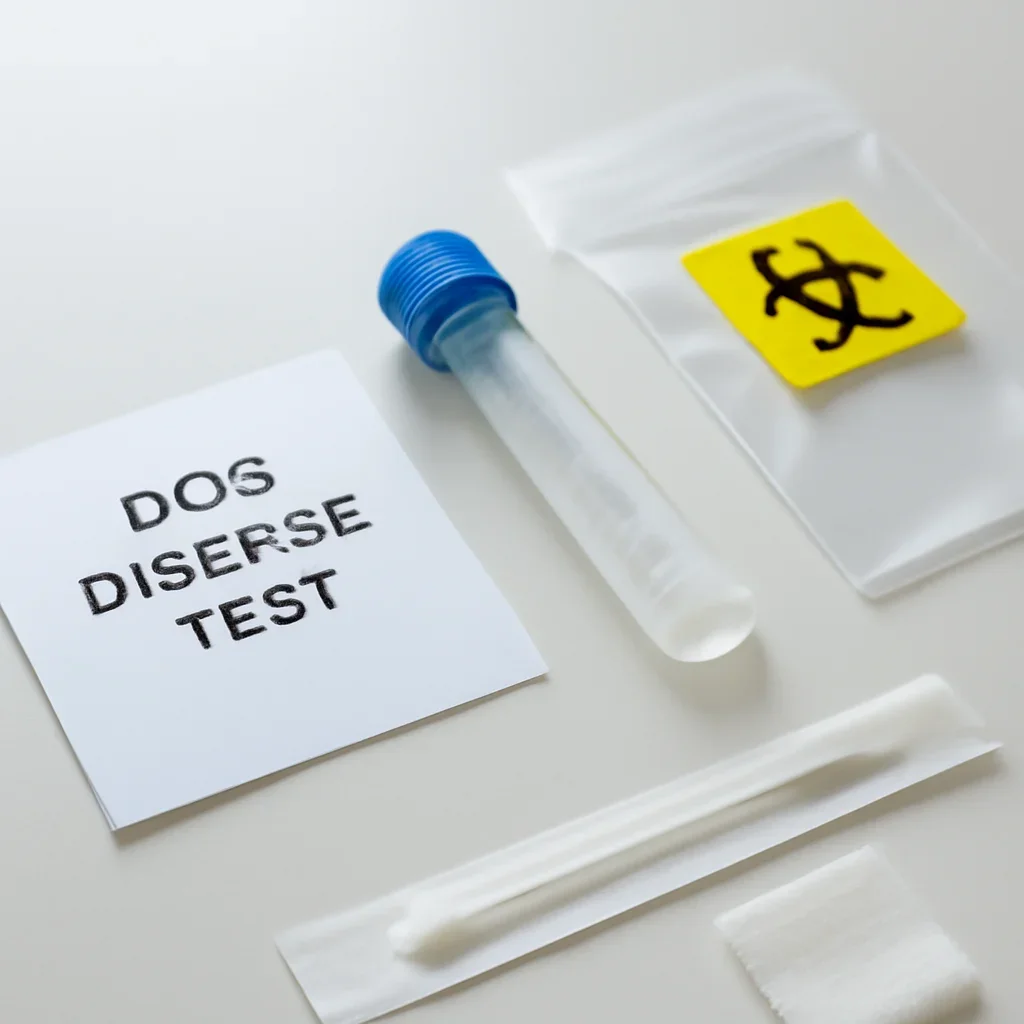

Reports commonly use terms such as clear, carrier, at risk, or affected genotype. Exact wording depends on the laboratory and condition. The meaning can also differ based on how the condition is inherited.
A result should therefore be reviewed alongside the dog’s breed, age, symptoms, family history, veterinary examination, and any other relevant testing. A negative result only means the tested variant was not detected; it does not rule out every possible cause of illness.
The report supplied with your selected test is the controlling reference. The examples below explain common terminology in general terms.
| Possible result | General meaning | Practical next step |
|---|---|---|
| Clear or normal | The tested disease-associated variant was not detected in the analyzed sample. | Keep the result with the dog’s records and remember that other genetic or non-genetic risks may still exist. |
| Carrier | One tested copy may be present for a recessively inherited condition. Carriers often do not develop that recessive condition themselves. | Review breeding implications with a veterinarian, genetic specialist, or responsible breeding program. |
| At risk or affected genotype | The tested genotype may be associated with a higher likelihood of developing or passing on the condition. | Discuss the result with a veterinarian and determine whether clinical monitoring or additional evaluation is appropriate. |
| Inconclusive or recollection needed | The sample or analysis may not have produced a reportable result. | Follow the laboratory’s recollection or customer-support instructions. |
Start with the category that matches your actual question. Combining unrelated goals can lead to the wrong panel, unnecessary testing, or a report that does not answer what you wanted to know.
Used to analyze selected variants associated with hereditary canine conditions.
Used to estimate breed ancestry or breed composition rather than diagnose disease.
Explore dog breed testingUsed to create an identifying genetic profile that may support parentage or identity-related applications.
Explore dog DNA profilesUseful when you are still comparing breed, health, identity, or other pet testing categories.
Compare pet DNA test optionsExact collection, shipping, processing, and reporting instructions depend on the test ordered. Follow the directions supplied with the kit.
Match the test to the dog’s breed, relevant condition, family history, and intended use.
Follow preparation and swabbing instructions carefully, then package and return the sample as directed.
Read the laboratory interpretation and involve a veterinarian when the result may affect care or breeding decisions.
Responsible DNA testing starts before the sample is collected. uDNA keeps this page focused on inherited canine disease screening so visitors can understand what the test category is designed to do, what it cannot confirm by itself, and when professional interpretation is appropriate.

At-home sample collection can help dog owners and breeders access DNA screening without visiting a collection centre. However, local realities still matter. Breed prevalence, veterinary recommendations, shipping timing, breeding requirements, and follow-up options can differ by state and community.
Review the relevant location page or contact uDNA before ordering when you need help confirming availability, sample return instructions, or the best testing route for your area.
These questions reduce uncertainty and help prevent ordering a test that does not match the dog or the intended decision.
Define whether the goal is inherited disease screening, breed ancestry, parentage, identity, or another type of DNA information.
Check whether the disease and tested variant are considered relevant to the dog’s breed or family history.
Decide whether the report is for personal records, veterinary discussion, or responsible breeding decisions.
Plan to involve a veterinarian or qualified genetics professional when the result could affect care or breeding.
Clear answers to common questions owners and breeders ask before ordering.
No. A genetic test can identify selected tested variants, but it does not replace a veterinary examination or clinical diagnosis. A veterinarian should assess symptoms, medical history, examination findings, and any additional testing required.
For many recessive conditions, a carrier has one tested copy of the associated variant and may not develop the condition. Carrier status can still be important in breeding because the variant may be passed to offspring. Interpretation depends on the condition and inheritance pattern.
No. Appropriate screening depends on breed, ancestry, family history, symptoms, breeding goals, and which variants the panel includes. Selecting the largest panel is not automatically the best choice.
The workflow described on this page uses a cheek swab. Follow the kit’s instructions regarding food, water, contact with other animals, swabbing time, drying, packaging, and sample return.
Turnaround varies by the selected test, laboratory workflow, shipping time, sample quality, and whether recollection is required. Review the specific product information or contact uDNA for current expectations.
Genetic screening can contribute useful information, but responsible breeding decisions should also consider the other dog’s results, pedigree, health history, temperament, physical evaluation, breed guidance, and professional veterinary advice.
Tell uDNA the dog’s breed or suspected breed, the condition you are concerned about, and whether the result is intended for personal, veterinary, or breeding use. We can help you identify the most relevant next step before you order.

Dog DNA screening is informational and does not replace veterinary diagnosis, treatment, or professional breeding guidance. Test coverage, result terminology, turnaround time, and sample requirements vary by the selected analysis. Review the applicable product information and legal disclaimer before ordering.