At-home sample collection
Learn when self-collection may be available and how to prepare, collect, package, and return the sample correctly.
Review home collection
Find a clearer starting point for DNA testing in New York, Florida, Texas, Ohio, and Oregon. Compare at-home collection, supervised collection, legal testing, health-focused testing, and pet DNA options before choosing your next step.
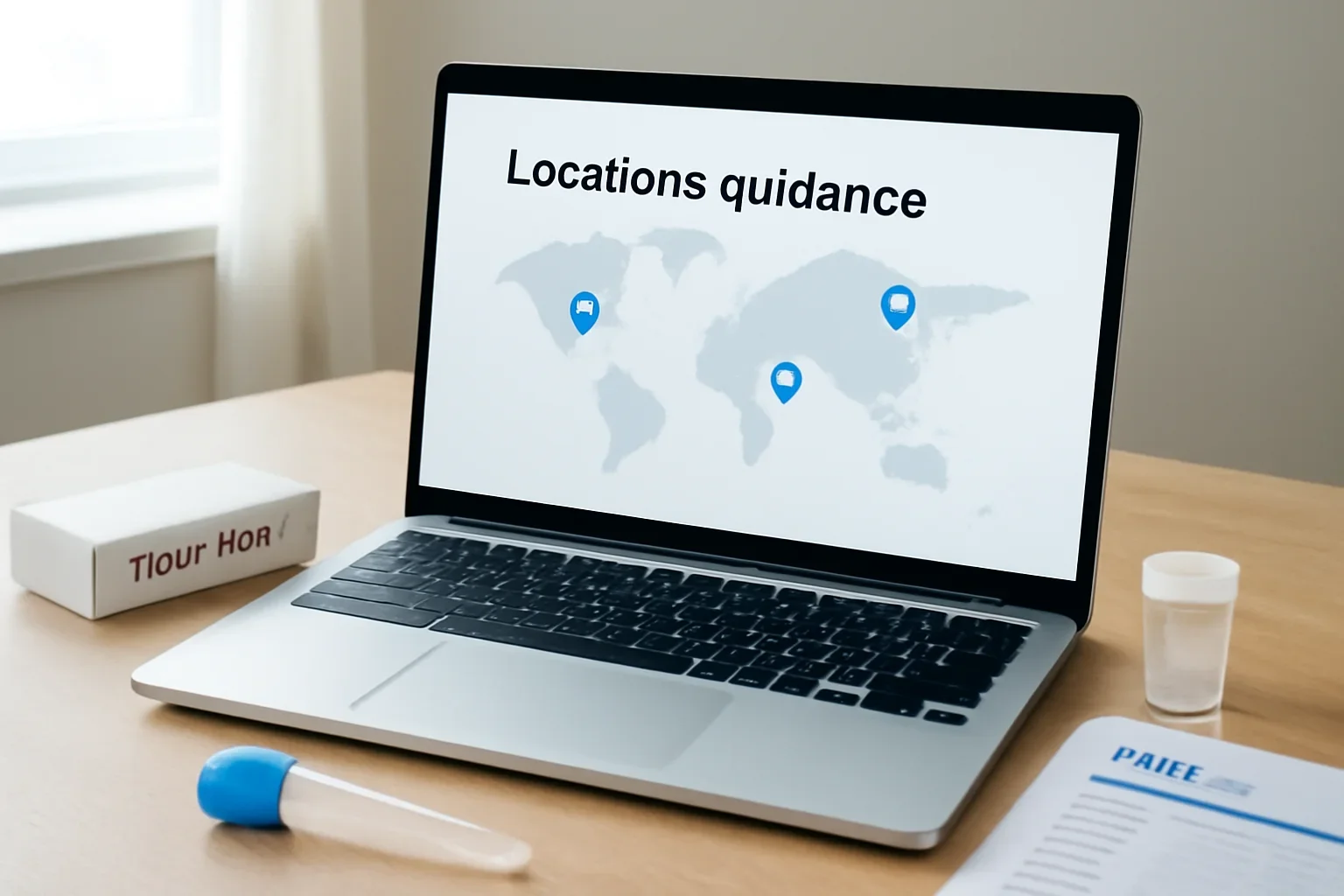
Each state page provides a more relevant starting point for people comparing collection options, test purposes, and practical next steps in their region.
Explore testing considerations for New York City, Long Island, upstate communities, and customers comparing home collection with supervised collection.
View New York guide FLReview DNA testing pathways for customers in Miami, Orlando, Tampa, Jacksonville, and communities where travel to a collection location may be less convenient.
View Florida guide TXCompare options for large metropolitan areas and rural communities, including when an at-home kit may be suitable and when documented collection may be required.
View Texas guide OHFind a starting point for testing in Columbus, Cleveland, Cincinnati, Toledo, and smaller Ohio communities based on the purpose of the test.
View Ohio guide ORExplore collection and ordering considerations for Portland, the Willamette Valley, central Oregon, southern Oregon, and more remote communities.
View Oregon guideuDNA is expanding its location guidance. You can still compare available DNA tests and collection methods even when a dedicated state page is not yet available.
Use the test-selection guide below
Someone in a major city may have several nearby collection options, while someone in a rural community may prefer a mailed kit. However, convenience should not be the only factor. The intended use of the result determines whether home collection is appropriate.
At-home collection may reduce unnecessary travel when the selected test allows self-collection.
Courts, agencies, attorneys, or other organizations may require witnessed collection and specific documentation.
Customers should follow the collection, packaging, and return instructions included with the selected test.
These categories answer different questions and may use different samples, reports, and verification procedures.
Selecting a test by purpose helps prevent ordering the wrong kit or using a collection method that may not meet your requirements.
Learn when self-collection may be available and how to prepare, collect, package, and return the sample correctly.
Review home collectionUnderstand supervised collection, identity verification, sample documentation, and why legal testing differs from a private test.
Explore legal testingBrowse tests intended to provide selected genetic or wellness information, with clear guidance about report limitations.
Explore genetic testingCompare DNA testing for dogs and cats, including breed, inherited-disease, identity, and other pet-focused categories.
Explore pet DNA testsUse these questions to narrow your options before ordering. When acceptance by another organization matters, confirm its requirements before collecting a sample.
A private at-home test may be suitable when no court, agency, or third party needs to verify the collection.
Ask whether witnessed collection, identity verification, or chain-of-custody documentation is required.
Choose a pet-specific test based on whether you need breed, disease, identity, or another type of information.
Review what the listed price includes, such as the kit, laboratory analysis, reporting, shipping, or supervised collection.
Review DNA test pricingExact requirements vary by test, but most orders follow four practical stages.
Match the test category and collection method to the question you need the report to answer.
Follow the supplied instructions or attend a supervised collection when required.
Package and return the sample using the directions provided for the selected test.
Read the result within the stated scope and follow appropriate professional guidance when needed.
A reliable decision involves more than finding the closest option. Review how the sample is collected, who analyzes it, how results are delivered, and whether the report fits its intended purpose.
Accreditation and quality processes may be especially important when results are intended for legal or administrative use.
Learn about AABB-accredited labsReview how results are accessed, delivered, and handled before submitting personal, family, health, or pet information.
Review private result guidanceInformational genetic reports should be interpreted within their stated scope and should not be treated as a diagnosis by themselves.
Read the testing disclaimerAcceptance rules can vary by court, government agency, attorney, healthcare provider, employer, breeder organization, or other requesting party. Confirm its requirements before collecting or submitting a sample.
These answers provide a practical starting point. Requirements can differ based on the test, sample, location, and intended use.
Start by identifying whether you need a private at-home test or a supervised collection. At-home kits can reduce travel for eligible tests, while legal or identity-related testing may require an approved collection process.
Many personal, health-focused, and pet DNA tests can use self-collected samples. A home-collected sample may not be appropriate when witnessed collection, identity verification, or formal chain-of-custody documentation is required.
Legal suitability usually depends on the complete process, including participant identification, witnessed collection, documented sample handling, laboratory requirements, and the acceptance rules of the requesting organization.
Turnaround time depends on the test category, sample condition, laboratory workflow, and when the sample is received. Processing time should be reviewed for the specific test rather than assumed from another DNA testing category.
No. Accuracy depends on the question being tested, the markers analyzed, the laboratory method, sample quality, comparison data, and how the result is interpreted. An accuracy statement should always be considered within the scope of the selected test.
You can still browse available tests by category and determine whether at-home or supervised collection is needed. Support can also help clarify the most appropriate next page based on your location and testing goal.
Tell uDNA whether you need a personal, health-focused, legal, identity-related, dog, or cat DNA test. The team can help you identify the most relevant testing path without relying on a one-size-fits-all recommendation.