
Dog breed identification

See which breeds may be present in your dog’s DNA profile.

A dog breed DNA test can provide ancestry-style insight when your dog’s history is unknown or incomplete. uDNA helps you understand what the report may show, how cheek-swab collection works, and when a different canine DNA test may be more appropriate.

1
Simple cheek swab Non-invasive sample collection designed for dogs.
2
Clear report scope Breed insight without presenting it as a diagnosis.
3
U.S. guidance Practical information for urban and rural pet owners.
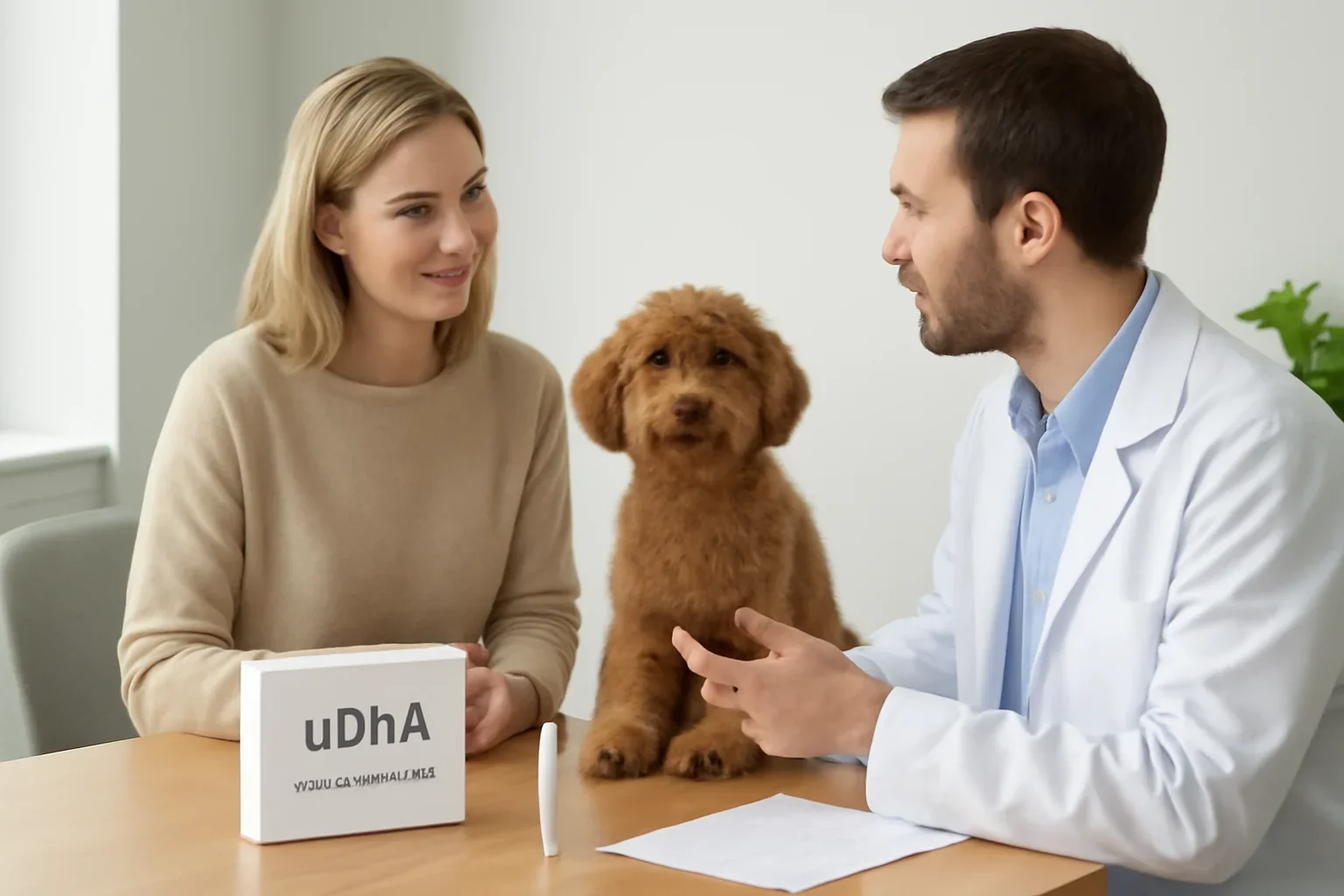
Dog Breed Test consultation and sample kit shown in a clean editorial setting
Not sure which canine test fits? Breed identification, disease screening, and DNA profiling answer different questions.
Best starting point for Mixed-breed and rescue dogs with an incomplete ancestry history
Sample Cheek swab
Typical laboratory time About 2 to 3 weeks after receipt
Report purpose Informational breed composition
What the test can help answer

Understand your dog’s possible breed background.

A breed identification test analyzes your dog’s DNA and compares selected genetic markers with the laboratory’s breed reference data. The report is designed to provide an ancestry-style view of breeds that may be represented in your dog’s genetic profile.

  • Explore possible breed composition when adoption or rescue records are limited.
  • Gain context for physical characteristics that may be associated with certain breeds.
  • Use breed information as a starting point for more informed conversations about care.
  • Collect the sample at home by following the kit’s cheek-swab instructions.
Collection method At-home cheek swab
Result type Ancestry-style breed insight
Dog Breed Test sample collection materials prepared on a clean table
Report expectations

What a dog breed report may and may not tell you.

Knowing the boundaries of the report helps you use the result appropriately and avoid ordering a breed test when you actually need health screening or identity documentation.

Yes

What the report is intended to provide

  • Possible breed ancestry or breed composition information.
  • A clearer starting point when your dog’s background is unknown.
  • Context for researching general breed characteristics.
  • A report that can be reviewed and discussed with your veterinarian.
No

What the report should not be used to guarantee

  • A complete assessment of your dog’s current health.
  • A diagnosis of an inherited or acquired condition.
  • Your dog’s future temperament, behavior, or trainability.
  • Exact life expectancy, size, or medical outcome.
!
Breed composition is only one part of your dog’s overall picture.

Veterinary history, environment, nutrition, age, training, and individual variation also matter. Speak with a veterinarian when making health or treatment decisions.

Reading the result

Use the report as useful context, not a complete medical answer.

Dog breed identification can help explain possible ancestry, but breed labels alone do not determine your dog’s health or personality. A well-used report gives you questions to explore rather than replacing veterinary assessment.

When reviewing your results, pay attention to the report’s definitions, confidence language, reference database, and any limitations stated by the laboratory. Results from different providers can vary because databases and analysis methods are not identical.

Dog Breed Test report summary being reviewed on a laptop
How the process works

From cheek swab to dog breed report.

Exact kit instructions can vary, but most at-home dog breed testing follows four practical stages.

Choose the correct test

Confirm that you want breed identification rather than disease screening or an identity-focused DNA profile.

Collect the cheek sample

Follow the supplied directions carefully and avoid food, treats, or shared water immediately before collection when instructed.

Package and return it

Allow the swab to dry when required, label the materials correctly, and use the return process provided with the kit.

Review the report

Read the breed findings within the stated scope and contact support when a result or report term is unclear.

Choose by purpose

Is a breed identification test the right dog DNA test?

Start with the question you need the report to answer. These canine DNA services are related, but they are not interchangeable.

Breed background
Dog breed test

Best suited to ancestry-style breed identification and possible breed composition.

This page
Inherited risks
Dog disease test

Designed for selected inherited-disease markers rather than breed ancestry alone.

Identity records
Dog DNA profile

More relevant when canine identity, records, or profile-based comparison is the main goal.

Broader comparison
Pet DNA test guide

Compare breed, disease, canine identity, and feline testing from one starting point.

Clearer support

Questions to check before you place an order.

A focused pre-order check can reduce collection mistakes and help you avoid selecting a test that does not match your intended use.

What result do you need?

Choose breed testing for ancestry-style information. Select another canine test when health risk or documented identity is the priority.

Can you collect a clean sample?

Follow the cheek-swab instructions carefully and prevent contamination from food, another animal, or shared materials.

How will you use the report?

Breed findings can guide research and veterinary conversations, but they should not be treated as a diagnosis.

What is included in the order?

Before checkout, review the kit, analysis, reporting, shipping, return instructions, and estimated processing time.

Customer getting guidance about dog breed test from a specialist
Dog breed test FAQs

Questions pet owners ask before ordering.

What does a dog breed DNA test show?

It is designed to show breeds that may be represented in your dog’s ancestry or genetic composition. The exact report format depends on the selected laboratory, reference database, and analysis method.

Is a dog breed test useful for a rescue or mixed-breed dog?

It can be useful when reliable breed history is unavailable. The report may provide possible ancestry context, but it cannot reconstruct every detail of a dog’s background or guarantee behavior.

How is a dog DNA sample collected?

This page is based on an at-home cheek-swab workflow. Follow the kit instructions closely, collect the sample from inside the dog’s cheek, prevent contamination, and package the swab as directed.

How long do dog breed DNA results take?

The typical laboratory turnaround described for this test is about two to three weeks after the sample is received. Shipping, sample quality, holidays, and laboratory workload can affect the total time from ordering to receiving a report.

Can breed DNA results diagnose a health problem?

No. Breed identification is not a veterinary diagnosis or complete health assessment. A dog disease test may be more relevant for selected inherited markers, while a veterinarian should evaluate symptoms and medical concerns.

Can two dog DNA companies return different breed results?

Results can differ because providers may use different genetic markers, reference databases, breed definitions, algorithms, and reporting thresholds. Review each report within the methodology and limitations stated by its provider.

Can I complete the test from home?

The cheek-swab workflow described on this page is intended for at-home collection. Read the supplied collection and return instructions before taking the sample so the laboratory receives usable material.

How do I know whether to choose breed or disease testing?

Choose breed identification when your main question concerns ancestry or possible breed composition. Consider disease screening when selected inherited risks are the priority. Contact uDNA when you need help separating the two goals.

Next step

Need help choosing the right DNA test?

Tell uDNA whether you want breed identification, inherited-disease screening, a dog DNA profile, or help comparing available tests. We will help you identify the most relevant next step before you order.

Support specialist guiding a customer through DNA test options

Informational notice: Dog breed identification results are informational and should not be used as a veterinary diagnosis, a guarantee of behavior, or a substitute for professional veterinary care. Test coverage, collection requirements, processing time, report format, shipping, and availability can vary by product and laboratory.