Clear test scope
Understand whether you need a broad feline panel or a focused condition test.
uDNA helps cat owners, breeders and veterinary professionals understand feline DNA testing before ordering. Review the intended panel, at-home cheek-swab process, expected reporting timeline and the limits of a genetic screening result.

A cat disease DNA test screens a cheek-swab sample for selected genetic variants associated with inherited feline conditions. Depending on the panel selected, the report may also include genetic traits or blood group information.
It can provide inherited-risk information that supports breeder planning, owner awareness and conversations with a veterinarian. It does not diagnose every cause of illness or replace a veterinary examination.
Understand whether you need a broad feline panel or a focused condition test.
Review the sample method before deciding whether the workflow suits your cat.
Results are explained as screening information rather than a complete diagnosis.
State pages help customers confirm local ordering and collection options.
Genetic testing is most useful when the selected panel matches the decision you are trying to make. A broad cat disease panel may be relevant when hereditary health history, breeding plans or incomplete background information creates a need for clearer genetic context.
Start with your real goal rather than choosing a test based only on its name.
Owners may want inherited-health context when a cat’s family or breed background is incomplete, or when a veterinarian recommends reviewing a specific genetic risk.
Explore pet DNA testingBreeders may use genetic screening alongside pedigrees, veterinary records and breed-specific recommendations when planning a mating or maintaining breeding records.
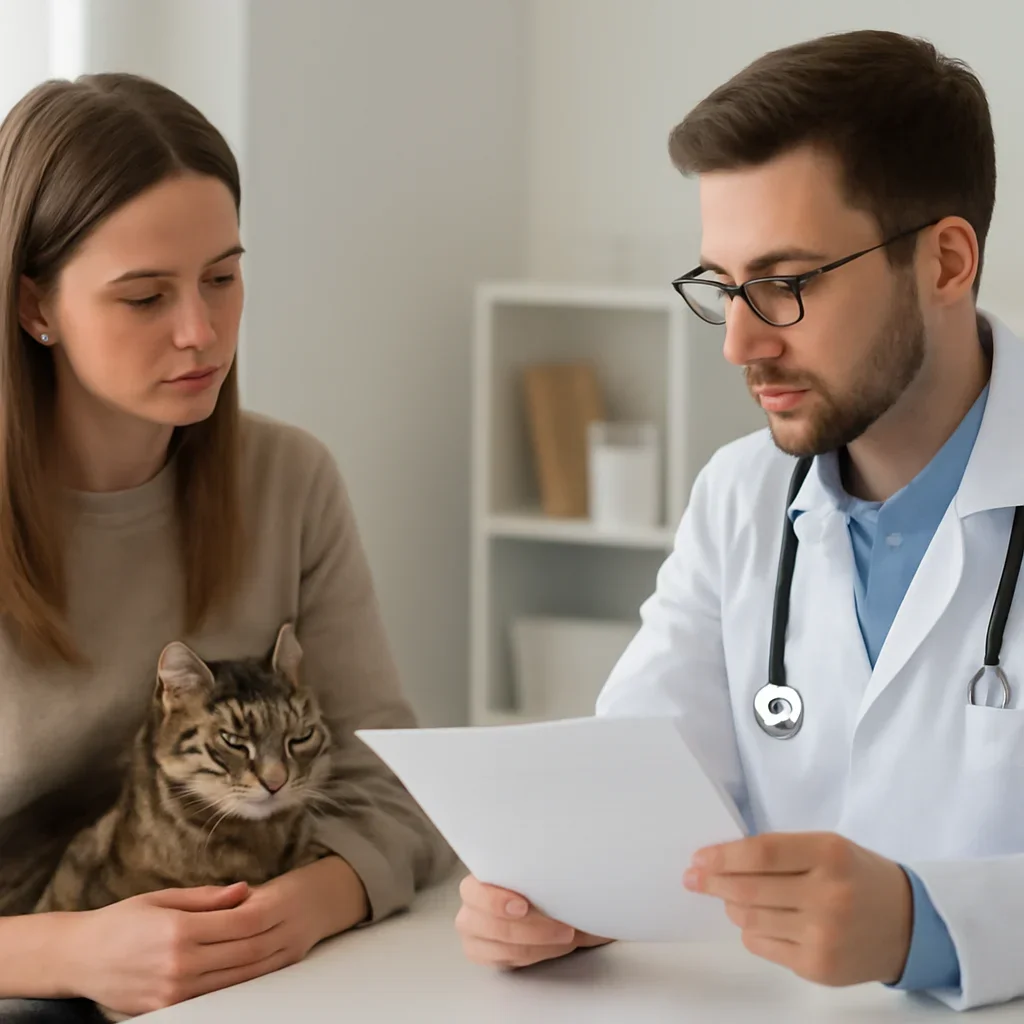
View breeder testing guidanceVeterinary professionals can place a genetic result within the broader picture of symptoms, physical findings, imaging, laboratory work and the cat’s clinical history.
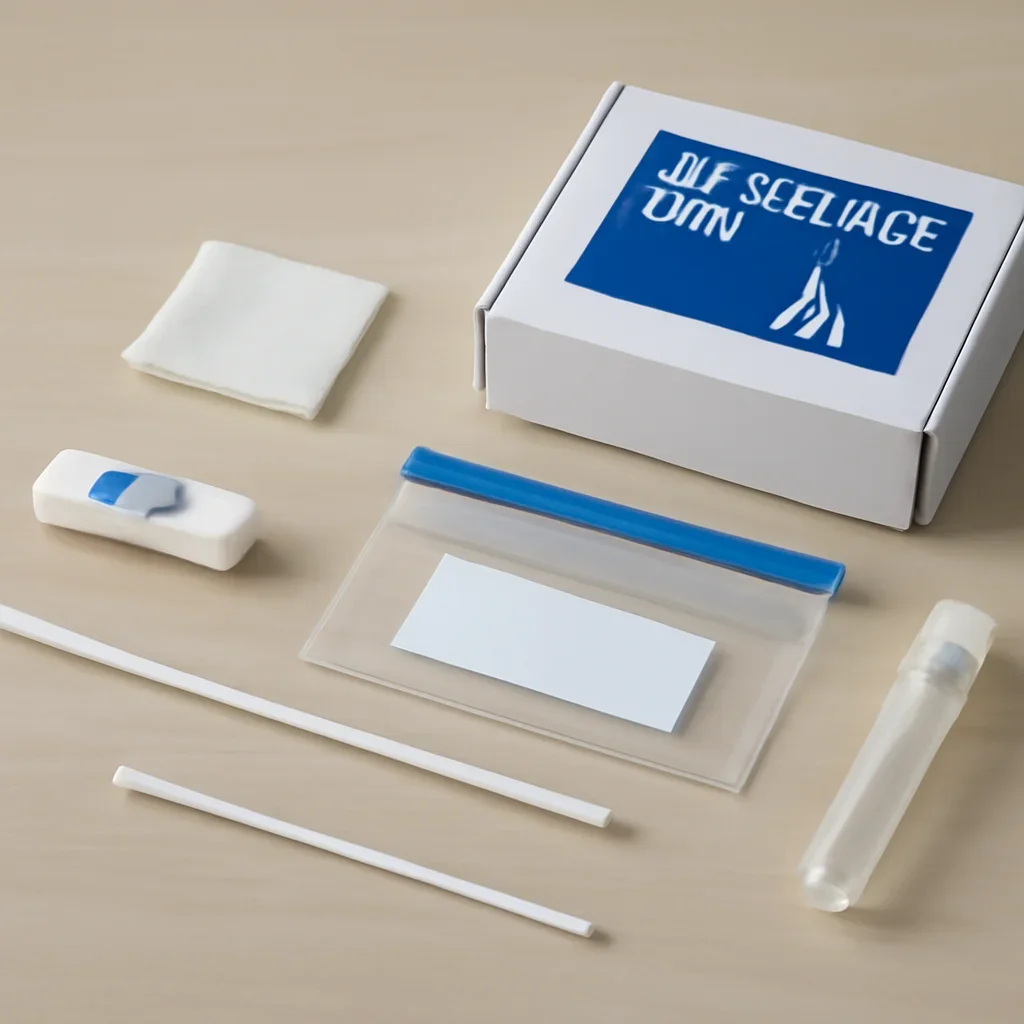
Discuss the appropriate testFollow the instructions supplied with the selected test. Collection, labeling and return requirements can affect whether the laboratory can process the sample.
Match the test to the species, intended condition, breed context and type of report you need.
Review the collection and labeling steps before opening or using the sample materials.
Collect the sample exactly as directed and reduce avoidable contamination from food, other animals or handling.
Package the sample using the supplied directions. Processing time begins after the laboratory receives an acceptable sample.
The better choice depends on whether you need a wider hereditary-health overview or information about one specific inherited condition.
Consider a broader panel when you want to review multiple selected feline genetic markers through one testing workflow.
Consider targeted PKD testing when your main question concerns the PKD1 mutation associated with inherited polycystic kidney disease.

A screening report may identify a tested variant, but it does not explain every health concern a cat may develop. Results should be reviewed alongside the cat’s symptoms, breed background, family history and veterinary findings.
The right test should answer your actual question, work with your collection situation and provide a report you understand how to use.
Many local searches are really looking for a test that can be ordered from the customer’s state, collected at home and returned using clear kit-specific instructions. For a cheek-swab workflow, access may depend on product availability, shipping eligibility and the return route supplied with the kit rather than proximity to a walk-in storefront.
Use the location pages below as local starting points, then confirm the selected cat test and collection process before ordering.
These pages provide additional context about disease panels, report interpretation, accuracy and expected turnaround.
Clear answers to common questions from cat owners and breeders.
It can screen for selected genetic variants associated with inherited feline conditions. Some panels may also include traits or blood group markers. The exact scope depends on the selected product.
This page describes a cheek-swab workflow that may be completed at home. Follow the exact collection, labeling and return instructions provided with the kit.
The typical estimate for this testing pathway is about four to six weeks after the laboratory receives an acceptable sample. Shipping, sample quality or test-specific processing can affect the total timeline.
No. A genetic screening result provides information about the variants included in the test. Diagnosis, treatment and monitoring decisions should be made with a qualified veterinarian.
A broad panel may be more appropriate when you want information about several selected hereditary conditions. A PKD cat test is a focused option for the PKD1 mutation associated with inherited polycystic kidney disease.
Your location may affect ordering, shipping and sample-return logistics, but it does not change the biological purpose of the test. Select the panel according to your cat and your reason for testing.
Contact uDNA with your cat’s breed, known family history and reason for testing. The team can help you compare the available testing pathways before you purchase.
This page provides general information about feline genetic screening. It is not veterinary advice and should not be used as the sole basis for diagnosis, treatment or breeding decisions. Review health concerns with a qualified veterinarian.
Tell uDNA whether you need broad feline disease screening, a focused PKD test or guidance for a breeder workflow. We will help you identify the most relevant starting point before you order.
