Health-focused genetic testing
Compare tests by the condition, trait or wellness question covered, the type of report provided and whether professional follow-up may be appropriate.
Explore genetic testing
The right DNA test depends on the question you need answered, how the sample is collected, whether the result is informational or intended for an official purpose, and how detailed the final report needs to be. uDNA helps you compare those practical differences before you order.
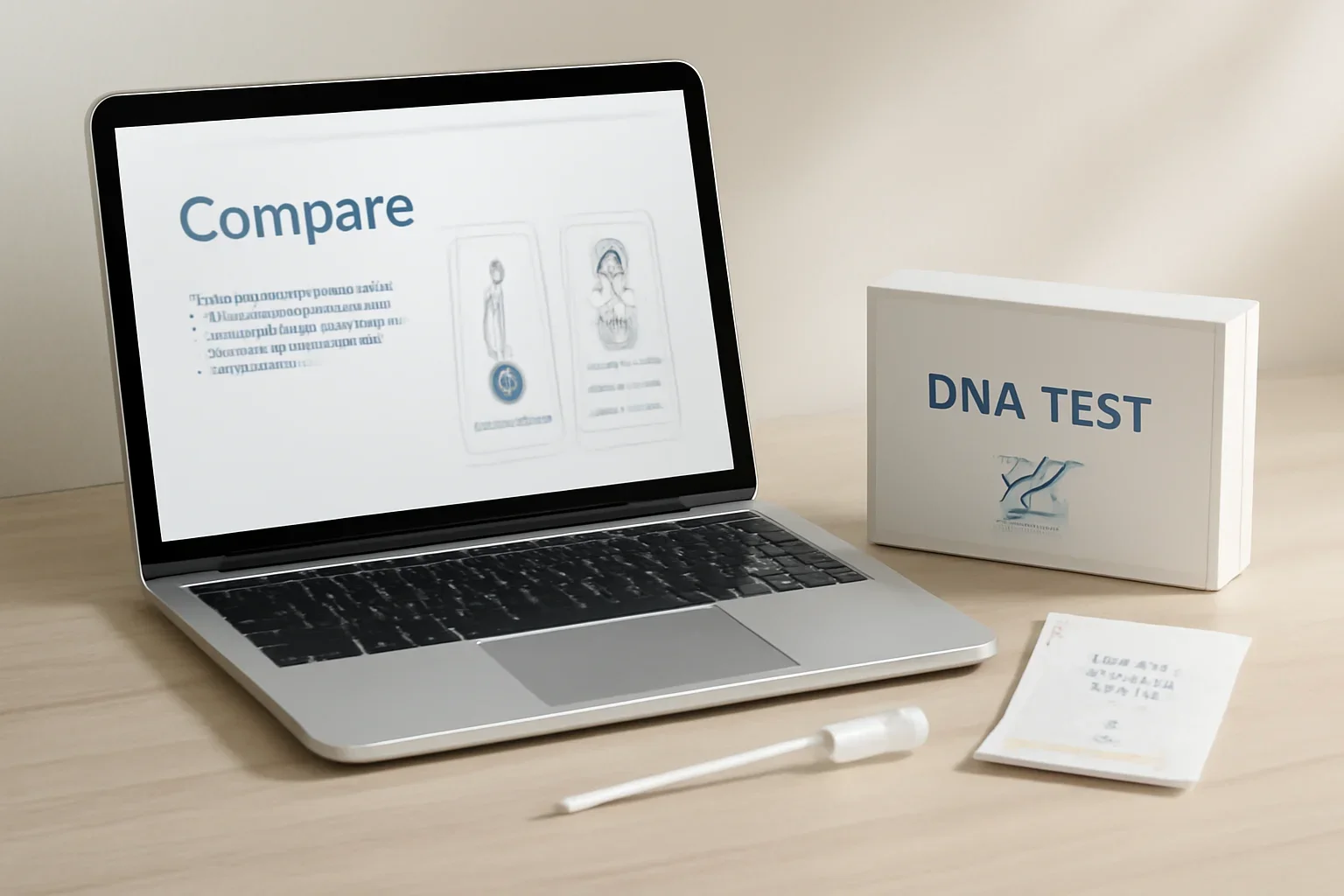
Comparing every available DNA test at once can be confusing. Start with the intended purpose, then review sample, reporting, privacy and collection requirements.
Compare tests by the condition, trait or wellness question covered, the type of report provided and whether professional follow-up may be appropriate.
Explore genetic testingCompare breed, inherited-condition, allergy and identity-focused options according to the animal, sample method and type of insight included.
Explore pet DNA testsTests intended for legal or official use may require identity verification, witnessed sample collection and documented handling from collection to reporting.
Review legal collectionAt-home kits can simplify collection, but the exact sample type, preparation steps and return-shipping process depend on the test selected.
See collection guidanceA lower price or larger panel does not automatically make one test more suitable. The better choice is the test that matches your question and provides a sample and reporting process you can follow.
Confirm the exact health, pet, identity or ancestry-related question.
Review whether the test uses a swab, hair, stool, blood or another sample.
Check what the report includes and what it does not attempt to determine.
Processing time can vary by test complexity, sample quality and laboratory workflow.
Understand how samples, account information and results are handled.
Determine whether an informational kit or documented collection process is required.
These guides narrow the comparison to common questions about dog and pet testing, including brand differences, test coverage and the factors that matter most before ordering.
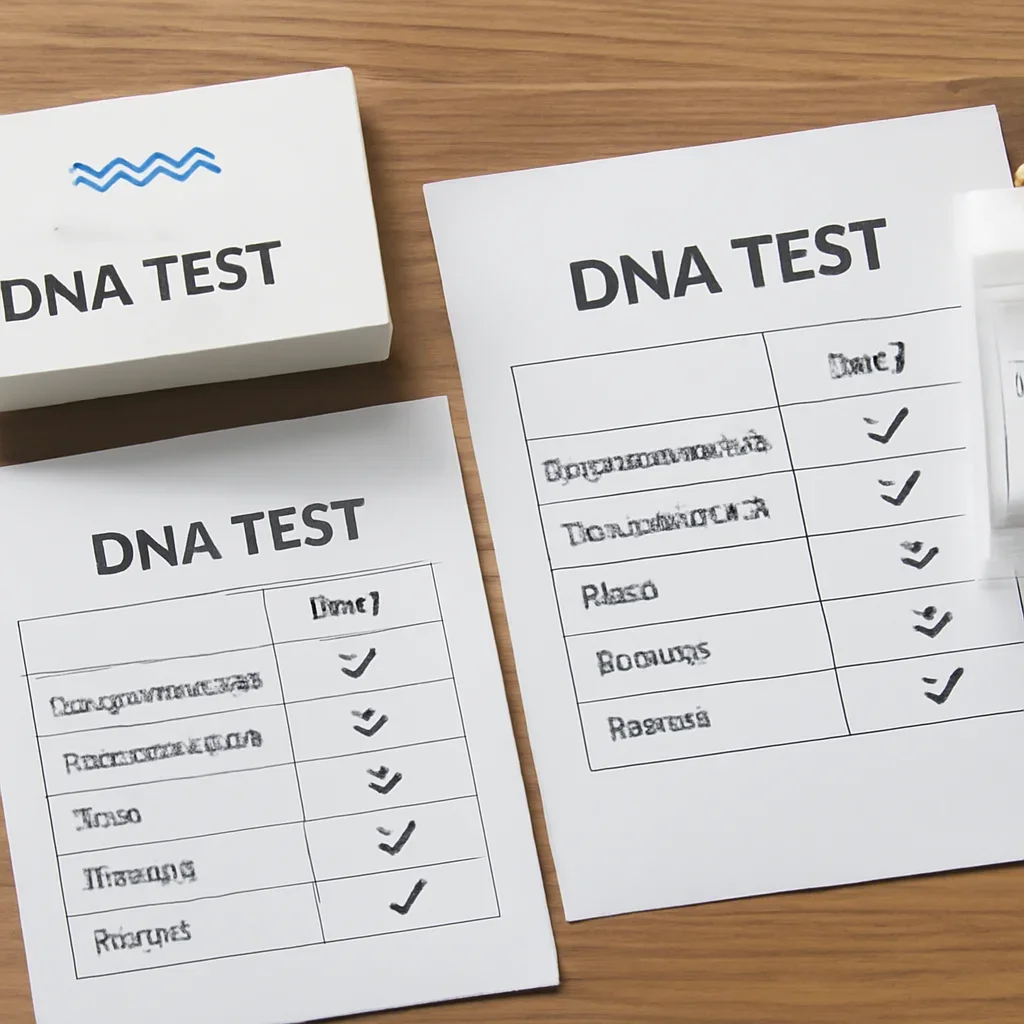
At-home kits and supervised collection services do not always follow the same process. Shipping eligibility, appointment availability and identity-document requirements may vary by test and location. Check local access before relying on a specific turnaround date.
Confirm whether the selected test can be completed entirely at home or requires an appointment.
Check shipping, sample-return and identification requirements before placing the order.
Allow for laboratory processing after the sample has been received and accepted.
Use this three-step process to avoid ordering a test that does not match your sample, reporting or documentation needs.
Identify the exact question and whether the result is for personal information, professional discussion or an official process.
Confirm the sample type, preparation instructions and whether collection can be completed at home.
Consider reporting scope, turnaround, privacy, shipping, support and any applicable laboratory or chain-of-custody requirements.
A trustworthy comparison should explain how a sample is collected, where applicable standards are documented, how results are protected and what the report can reasonably tell you.
Learn how accreditation may apply to specific testing and chain-of-custody workflows.
Review lab informationReview the steps used to protect account access, test information and result delivery.
Read privacy guidanceUnderstand why processing time begins after the laboratory receives an acceptable sample.
Review turnaround factorsUnderstand the difference between informational reports and medical, veterinary or legal conclusions.
Read the disclaimerUse these answers as a starting point. The individual test page should remain the primary source for sample, reporting and ordering requirements.
Start with the purpose of the test. A test designed for pet breed identification, health-related information or legal identity documentation follows a different process and produces a different type of report.
A standard self-collected kit may be appropriate for personal information but may not meet legal or official documentation requirements. Those situations can require verified identity, witnessed collection and a documented chain of custody.
Not necessarily. A focused test may be more useful when it directly addresses your question. Compare the report scope, method, limitations and intended use rather than relying only on the number of markers or traits listed.
Processing time can differ because of sample type, laboratory workflow, analysis complexity and whether a sample needs to be recollected. Published timelines generally begin after an acceptable sample reaches the laboratory.
Compare the complete cost, including the test, sample collection, shipping and any professional or supervised services required. Also confirm that both tests address the same purpose before comparing price.
uDNA can help clarify the intended purpose, collection method and general workflow so you can identify the most relevant test category. Health, veterinary or legal decisions should be discussed with an appropriately qualified professional.
Review pricing or contact the support team with the type of test you need, who or what is being tested, and whether the result is intended for personal information or an official process.

DNA testing information is provided for general educational and comparison purposes. Test availability, collection requirements, reporting scope and processing time vary by product and location.