Select the correct test
Begin with the question you want answered. Review the test scope, sample requirements, intended use, and limitations before ordering.
Genetic testing examines selected parts of DNA to answer a defined question. Depending on the test, that question may relate to inherited variants, selected health risks, biological traits, pet breed information, or identity-sensitive documentation.
uDNA created this guide to explain the basics, clarify how different test categories work, and help you choose a suitable testing path before ordering.
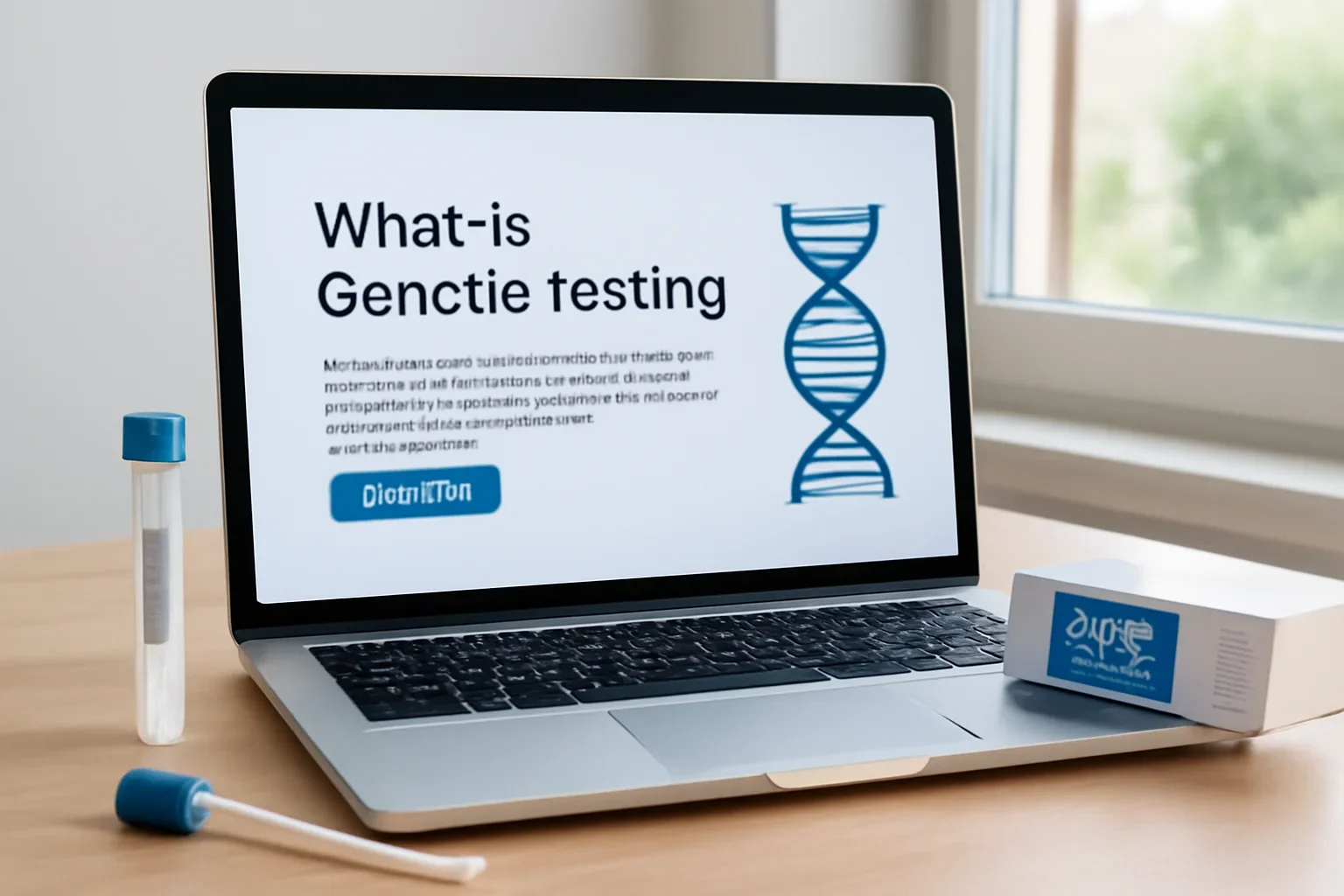
Genetic testing is the analysis of selected DNA sequences, genes, or genetic markers to look for specific variations or patterns. The meaning of the findings depends on the test’s purpose, the markers examined, the quality of the sample, and how the report is interpreted. Learn more about uDNA genetic testing options.
DNA contains biological instructions inherited from a person’s parents or, in pet testing, from an animal’s biological lineage. Genetic testing does not examine every possible detail. It analyzes the specific genes, variants, or markers included in the selected test.
This is why two DNA tests can use similar collection methods but produce very different reports. The laboratory analysis must be designed around the question the test is intended to address.
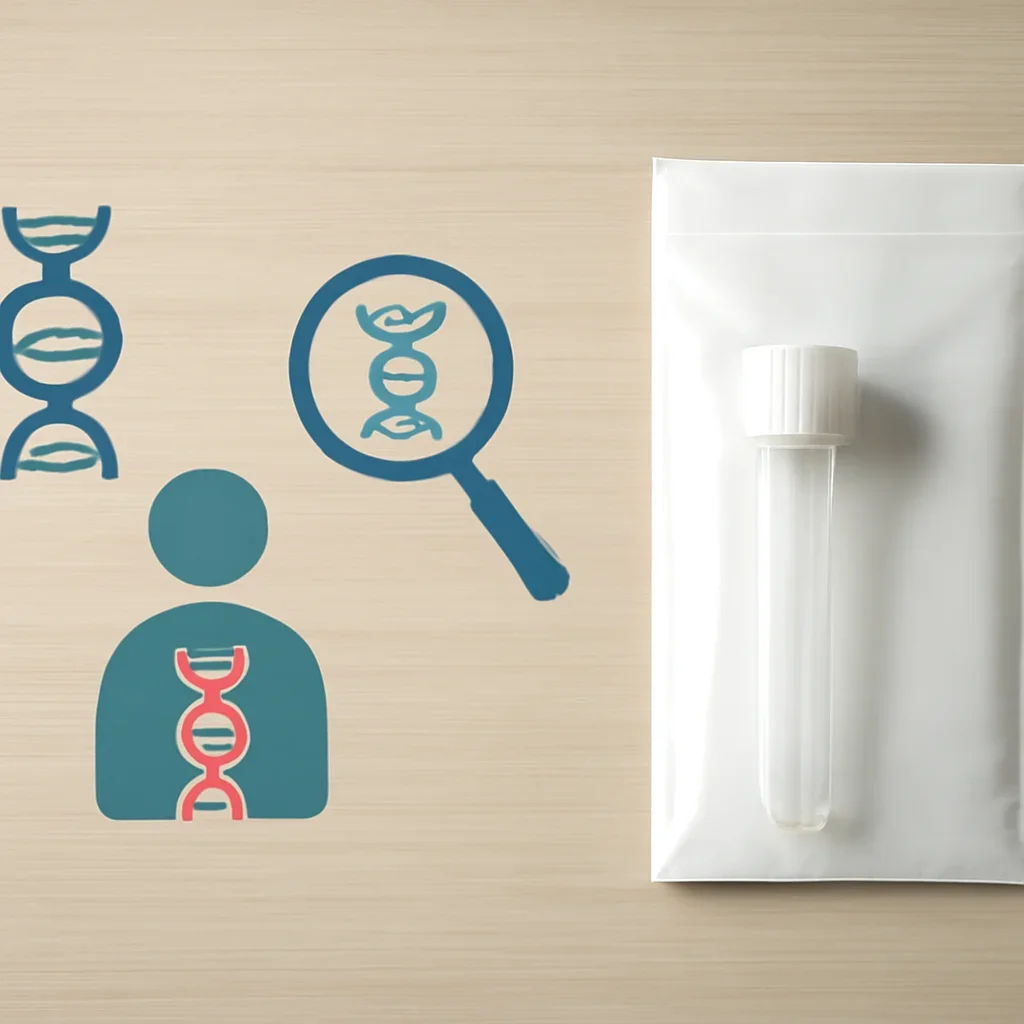
Genetic tests are not interchangeable. Start with the category that matches the question you need answered and how you plan to use the results.
Used to examine selected inherited variants, predisposition-related markers, traits, or wellness-oriented questions covered by the chosen panel.
Explore health-focused testsSome tests focus on selected pathways, nutritional topics, or biological processes and use a report designed around that specific scope.
View methylation testingUsed for breed identification, inherited disease screening, biological profiles, and other dog or cat testing workflows.
Explore pet DNA testsUsed when verified identities, supervised collection, documented sample handling, or a formal chain-of-custody process may be required.
Review legal collectionExact instructions vary by test, but most DNA testing workflows follow the same general sequence.
Begin with the question you want answered. Review the test scope, sample requirements, intended use, and limitations before ordering.
Follow the supplied instructions carefully. Many at-home tests use a cheek swab or saliva sample, but the required method can differ.
The laboratory checks the sample and analyzes the genes, variants, or markers included in the selected testing panel.
Results are organized into a report. Interpretation should remain within the purpose and limitations of the test that was ordered.
A DNA test can provide useful information, but its value depends on the test design, the markers examined, and the context in which the report is used.
Compare tests according to their intended use rather than assuming every DNA kit provides the same type of answer.
| Testing path | Common purpose | Typical collection consideration | Start here |
|---|---|---|---|
| Health-focused testing | Selected inherited variants, predispositions, traits, or wellness-related markers | Often suitable for standard at-home collection when permitted for the selected test | Genetic testing |
| Food-related genetic testing | Selected genetic markers associated with lactose digestion or celiac-related predisposition | Sample type and reporting scope vary by test | Lactose intolerance test |
| Pet DNA testing | Breed identification, inherited disease screening, or pet profile information | Samples must be collected from the correct animal without cross-contamination | Pet DNA testing |
| Legal or documented testing | Testing situations requiring verified identities and a documented handling process | Supervised collection and identity records may be required | Chain of custody |
These questions help determine whether a test matches your goal, sample situation, location, and intended use.
Shipping routes, sample-return instructions, collection appointments, test availability, and legal documentation requirements may differ by state and test type.
Review the relevant uDNA location page or contact support before ordering when your test has a deadline, supervised collection requirement, or location-specific concern.
Before submitting DNA, review how the sample is processed, how results are delivered, and how the findings should be interpreted.
Review laboratory information relevant to the test and avoid assuming one accreditation or standard applies to every testing category.
Review laboratory informationUnderstand how results are accessed, stored, protected, and shared before submitting a genetic sample.
Review result privacyRead results according to the test’s intended purpose and avoid treating a consumer report as a diagnosis by itself.
Learn how to read resultsA genetic test looks for selected variants, sequences, genes, or markers included in the test panel. The exact targets depend on the purpose of the test. Most tests do not examine every part of a person’s or animal’s DNA.
Many genetic tests use saliva or a cheek-swab sample. Other tests may use blood or another biological sample. Follow the instructions supplied with the selected kit because collection requirements differ.
A consumer genetic test may identify selected variants or predisposition-related markers, but it should not automatically be treated as a medical diagnosis. Diagnosis may require clinical evaluation, medical history, and additional testing.
Accuracy depends on factors such as sample quality, laboratory methods, quality controls, the markers being examined, and whether the result is interpreted within the correct scope. Review the guide to DNA test accuracy for more context.
Turnaround time varies by test, laboratory workflow, sample quality, shipping time, and whether recollection or additional review is required. The stated processing period usually begins after the laboratory receives an acceptable sample.
No. Pet and human tests examine different reference information, genes, variants, conditions, and traits. Choose a test developed for the correct species and intended purpose.
No. Many personal-use and pet tests use standard at-home collection. Chain-of-custody procedures are relevant when identity verification, supervised collection, and documented sample handling are required for the intended use.
Tell uDNA whether you need health-focused testing, pet DNA testing, an at-home collection option, or a documented testing process. The team can help you identify a relevant next step, sample method, and ordering path.

This page provides general educational information. Genetic test scope, availability, collection requirements, result timing, and intended use vary by test and location. Health-related questions should be discussed with an appropriately qualified healthcare professional when relevant.