
1
How is the sample collected?
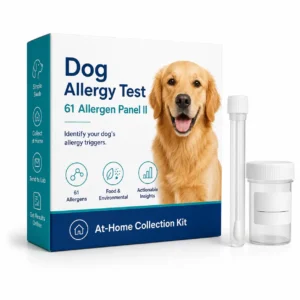
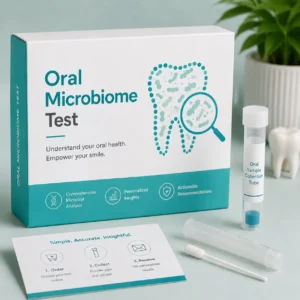
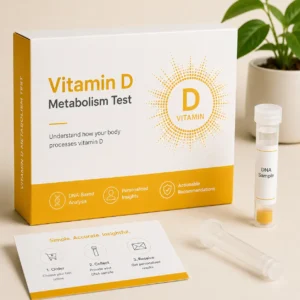
Many tests use an oral or cheek swab. Other analyses may require hair, stool, blood, or another sample type. Always follow the instructions for the exact kit you order.
Review testing features
uDNA helps customers across the United States compare health-focused, pet, at-home, and legal DNA testing options. Understand sample collection, report purpose, privacy, timing, and location-specific next steps before you order.
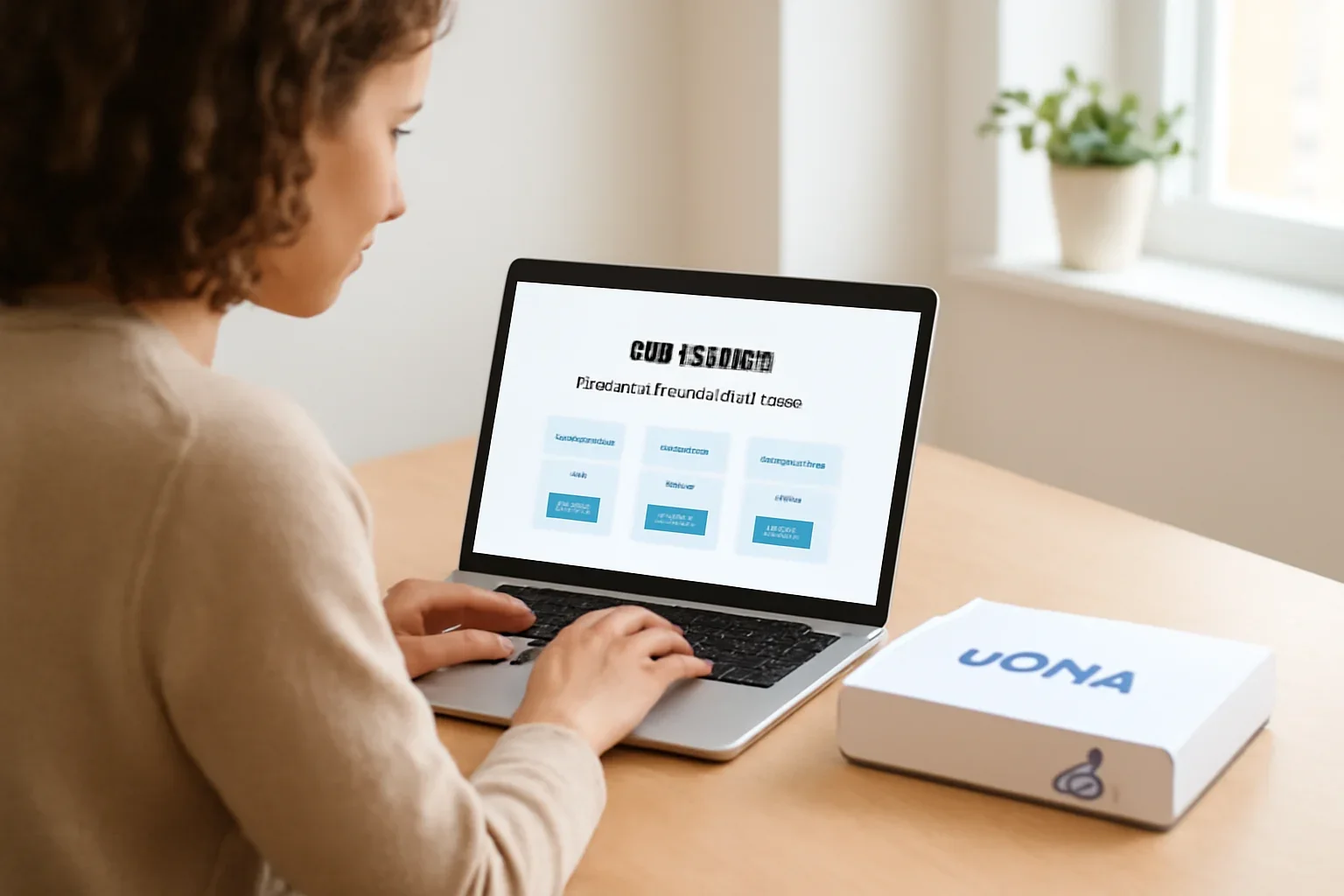
Different tests answer different questions. Start with your intended use, then compare the sample method, reporting scope, collection requirements, and location-specific guidance.
Explore selected reports related to wellness traits, inherited variants, and specific genetic questions.
Explore health tests →Compare dog and cat testing for breed identification, inherited disease screening, and DNA profiles.
Explore pet tests →Learn how collection methods differ and why following the kit instructions matters for a usable sample.
Review collection guidance →Review identity verification and supervised collection requirements before ordering a test for legal use.
Review legal testing steps →uDNA organizes testing by purpose so U.S. customers can understand what each report is designed to cover, which sample may be required, and whether the result is informational or intended for a documented workflow.

Review selected products, compare the test purpose and sample requirements, and open each product page for current pricing, kit details, and applicable collection information.
These details often determine whether a test is suitable, so it is worth checking them before checkout.
Many tests use an oral or cheek swab. Other analyses may require hair, stool, blood, or another sample type. Always follow the instructions for the exact kit you order.
Review testing featuresProcessing times vary by analysis. The laboratory timeline generally begins after the sample is received and accepted, not on the order date.
See turnaround guidanceAccuracy depends on the test method, sample quality, laboratory process, and the question being asked. An accurate result can still have limits in how it should be interpreted.
Understand test accuracyExact instructions vary, but most orders follow the same basic path from test selection to report delivery.
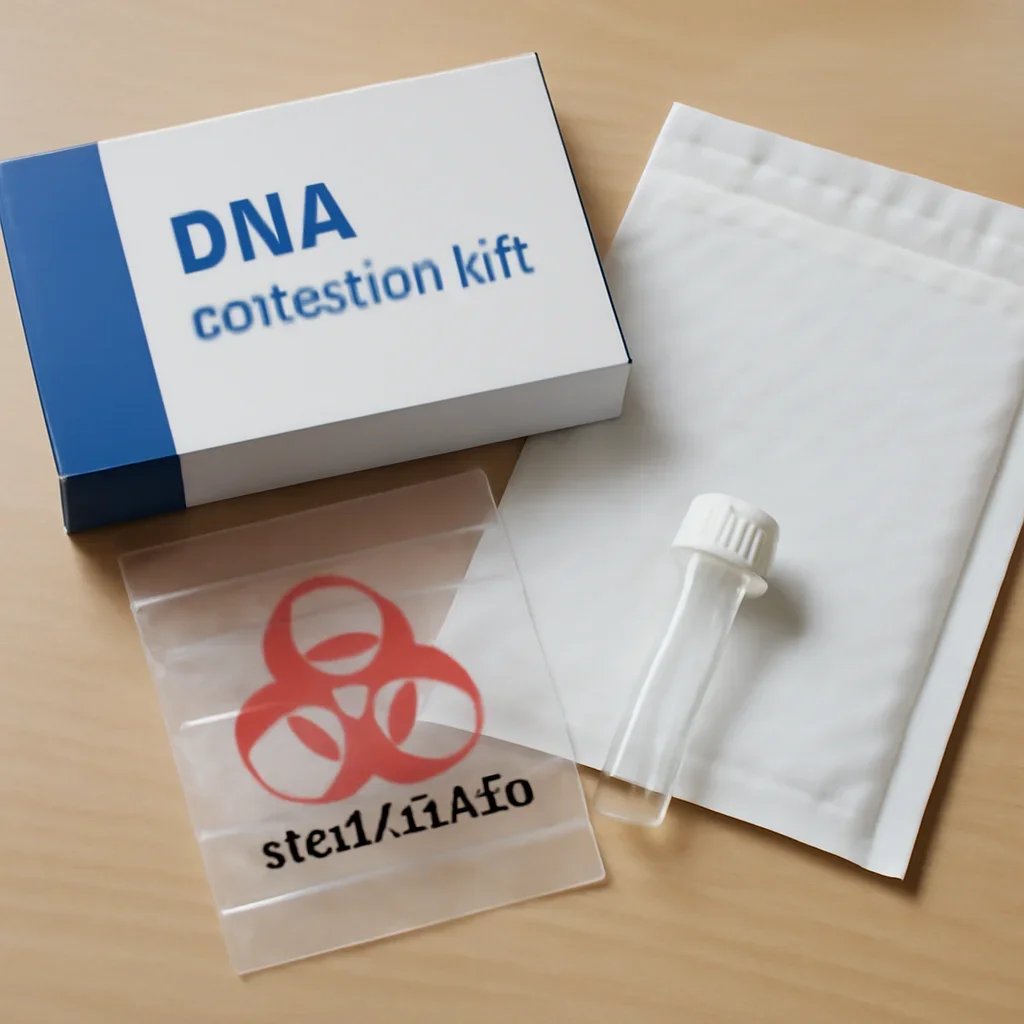

uDNA focuses on practical decision support for customers across the United States. Each path explains what a test is for, how the sample is collected, when formal documentation matters, and where the report has limits.
Jump directly to a focused category. Each page explains the intended use, collection approach, and key limitations in more detail.
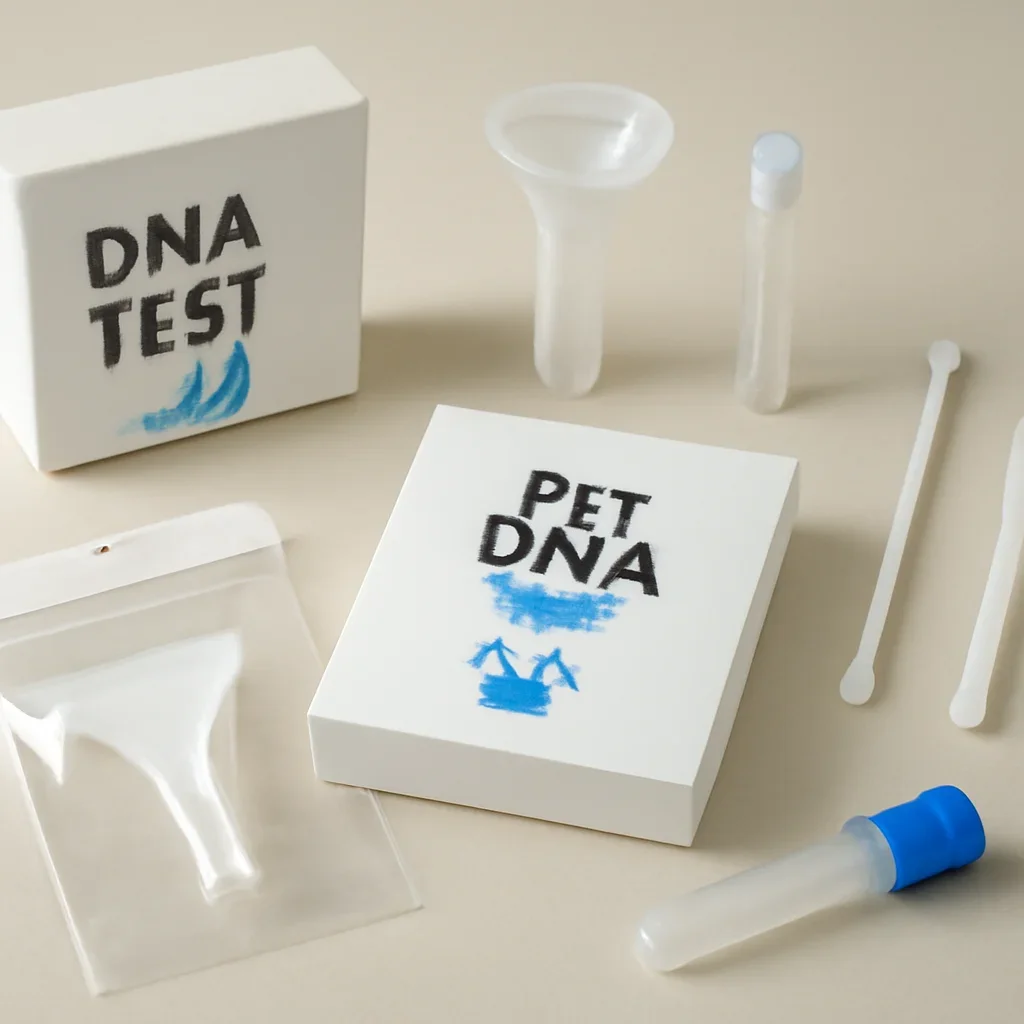
Review genetic testing related to lactose digestion and understand what the result can and cannot explain.
View test category → HealthLearn how genetic susceptibility testing differs from diagnosing active celiac disease.
View test category → DogExplore canine genetic screening options for selected inherited conditions and breeding decisions.
View test category → CatReview testing for a known PKD-related variant and the role of breed history in test selection.
View test category → DogUnderstand identity-focused DNA profiling for recordkeeping, parentage workflows, or breeder documentation.
View test category → ProfessionalExplore testing paths for professionals who need consistent collection, documentation, and result interpretation.
View professional options →Sample collection, return shipping, collector access, and documentation requirements can vary by test and destination. Use the uDNA state pages to compare practical next steps before choosing an at-home or supervised testing workflow.
These resources answer common questions about costs, features, result types, and test limitations so you can avoid choosing a kit based only on a product name.
Compare breed, health, and identity-focused dog DNA testing based on the goal of the report.
Read the guide → Comparison guideReview the features that matter when comparing dog and cat DNA tests for home use.
Read the guide → Brand comparisonCompare two widely known dog DNA testing approaches by feature set and intended use.
Read the comparison → Cost guideLearn why price can change with test scope, collection method, reporting, and documentation needs.
Review DNA test costs → Cost guideUnderstand the factors that influence health-focused genetic testing prices.
Review genetic testing costs → Result guideLearn how to separate findings, confidence levels, limitations, and suggested next steps.
Read the result guide →Use these quick answers as a starting point, then review the relevant product page before ordering.
Start with your goal. A health-focused genetic report, a pet breed test, an inherited disease screen, and a legal identity test are not interchangeable. Compare the intended use and sample requirements before ordering.
Many informational tests support at-home collection, often with an oral or cheek swab. Some tests use a different sample, and legal testing may require supervised collection and identity verification.
The processing timeline usually begins after the laboratory receives and accepts the sample. Shipping time, sample quality, and the type of analysis can affect the total time from order to report.
A genetic result may provide information about a tested variant or susceptibility, but it should not be treated as a diagnosis by itself. Health concerns should be discussed with a qualified healthcare professional.
Legal testing generally requires documented identity checks, controlled sample collection, and a recorded chain of custody. A private at-home test may not meet those requirements, even when the laboratory analysis is reliable.
Tell uDNA your state, the type of result you need, and whether you prefer at-home or supervised sample collection. Support can help you identify the most relevant health, pet, informational, or documented legal testing path.