Health-focused genetic testing
Explore testing related to selected health questions, traits, wellness markers, and genetic report categories.
Explore genetic testing
uDNA helps Texas residents compare health-focused genetic testing, pet DNA kits, at-home collection, and supervised legal workflows. Start with why the test is needed, then confirm the correct sample method, documentation, and reporting process.
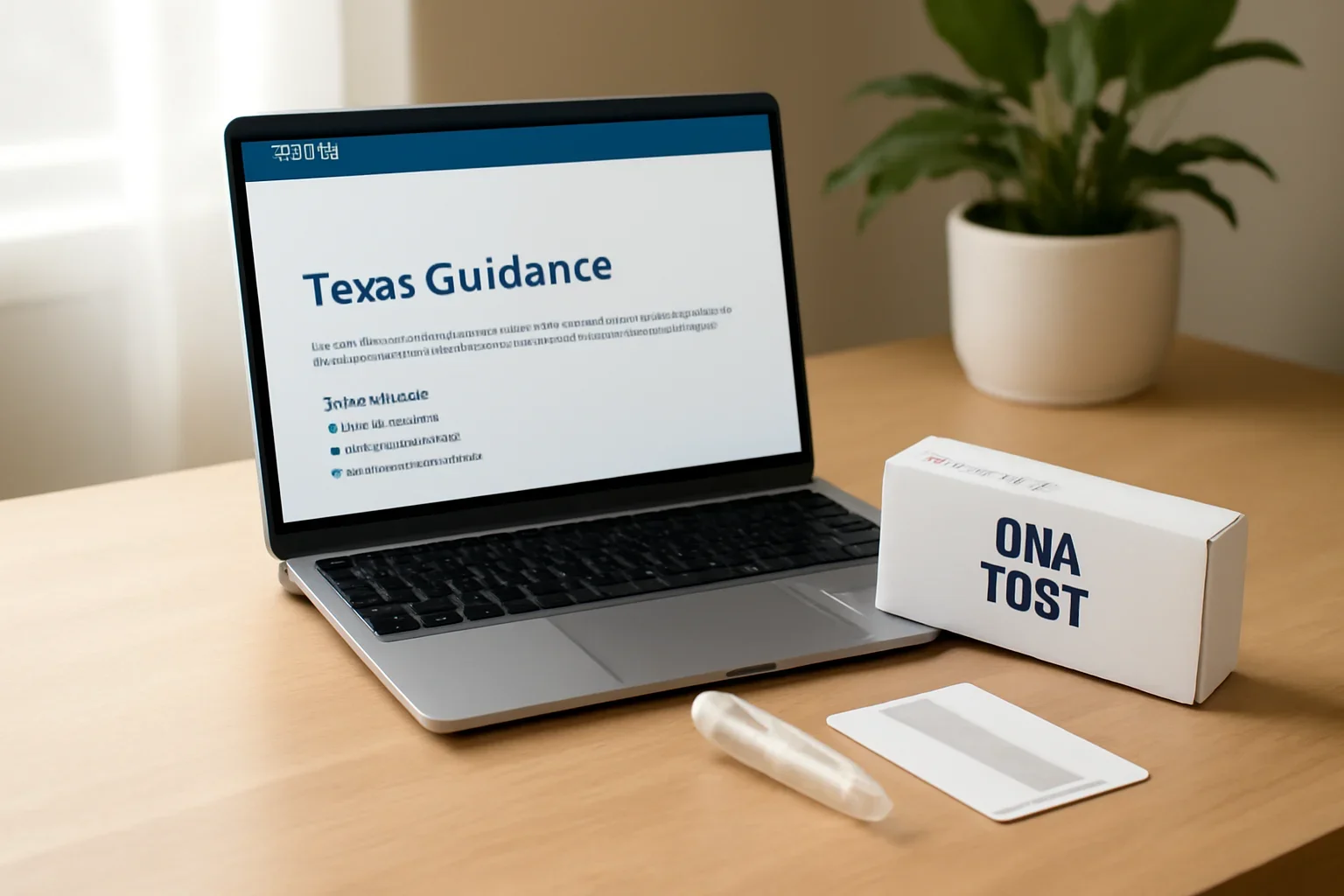
Texas is large, and a testing option that requires unnecessary travel may not be practical for every customer. Eligible at-home collection can provide a convenient route for personal testing, while legal or identity-sensitive cases may require a supervised collection.
This page helps Texas residents find an appropriate testing path. It does not claim that uDNA operates a physical laboratory or collection clinic in every Texas city. Confirm the collection method for the selected test before placing an order.
Select the category that matches the question you need answered. Health, pet, at-home, and legal testing can involve different samples, reports, and documentation.
Explore testing related to selected health questions, traits, wellness markers, and genetic report categories.
Explore genetic testingCompare dog and cat breed identification, inherited condition screening, and other pet-focused DNA tests.
Explore pet DNA testsLearn how eligible cheek-swab and other self-collection workflows generally work before selecting a test.
Review sample collectionUnderstand when identity verification, witnessed collection, and documented sample handling may be needed.
Explore legal testingReview the purpose and limitations of each category before comparing individual products or placing an order.
Review the intended use, sample method, report scope, and limitations of methylation-related testing.
View test information Health-focusedLearn what this type of genetic test examines and how its findings differ from a medical diagnosis.
View test information Health-focusedUnderstand what genetic susceptibility information may indicate and what additional medical evaluation may still be needed.
View test information Pet DNACompare breed identification coverage, sample requirements, and the information included in the final report.
Explore dog breed testing Pet DNAReview inherited condition screening and what an identified genetic variant may mean for a dog.
Explore dog health tests Pet DNAExplore inherited condition testing for cats, including available disease-specific testing categories.
Explore cat health testsCollection may involve a cheek swab or another sample type. Review the exact instructions for the selected test. Read the collection guide.
Processing usually begins after the laboratory receives and accepts the sample, not on the day the kit is ordered. Review timing factors.
Compare the test purpose, analysis scope, limitations, sample requirements, and whether formal documentation is needed. Ask for guidance.
The exact workflow varies by test, but most orders follow these four general stages.
Decide whether the test is for health information, pet genetics, personal knowledge, or an official use.
Review the sample type, eligibility, documentation, shipping, and collection requirements.
Follow the kit instructions carefully or attend the arranged supervised collection when required.
Read the results within their stated limitations and seek qualified professional guidance when appropriate.
The physical sample may be similar, but identity verification, witnessed collection, and documented handling can change whether the result is suitable for an official purpose.
| Consideration | At-home collection | Supervised collection |
|---|---|---|
| Typical purpose | Personal information or eligible consumer testing | Legal, administrative, or identity-sensitive cases |
| Identity verification | Usually completed by the person using the kit | Identity may be checked and recorded by a collector |
| Sample handling | Returned according to the kit instructions | Handled through a documented custody process |
| Legal suitability | Usually intended for personal knowledge | May be suitable when the required process is followed |
| Before ordering | Confirm sample and shipping requirements | Confirm the requesting organization's requirements |
uDNA helps customers identify the correct test category before ordering. Eligible at-home kits can be especially useful for people outside major metropolitan areas, while supervised legal testing may require an arranged collection.
These answers provide general guidance. Always review the selected test page or contact uDNA to confirm the requirements for your order.
Eligible at-home kits may be ordered from communities across Texas. Availability depends on the selected test, sample method, laboratory requirements, and shipping coverage.
This page provides statewide guidance and does not claim that uDNA operates a physical clinic in every Texas city. Eligible tests may use at-home sample collection. Legal cases may require an arranged supervised collection.
A standard self-collected kit is generally intended for personal information. Court, custody, inheritance, immigration, or other official cases may require verified identification, witnessed collection, and documented chain-of-custody procedures.
Turnaround time varies by test and generally begins after the laboratory receives and accepts the sample. Shipping distance, sample quality, recollection, and the type of analysis can affect the total timeline. Review the DNA testing timeline guide.
Pricing varies by the type of analysis, number of markers or conditions included, reporting scope, sample method, and whether supervised collection is required. Review the DNA test cost guide before comparing options.
No. Health-focused genetic reports should be interpreted within their stated scope and limitations. Medical concerns should be discussed with a qualified healthcare professional or genetic counselor. Review the uDNA legal disclaimer.
Review the private and secure results information and the privacy policy to understand how information is handled for the selected service.
Tell uDNA whether you need a health-focused test, pet DNA test, at-home kit, or documented legal workflow. The support team can help identify the most relevant next step before you place an order.