What breeds may be present?
Breed testing compares genetic markers with a breed reference database to provide ancestry-style information.
- Useful for mixed-breed background
- May provide breed composition context
- Does not diagnose illness
Compare breed identification, inherited disease screening, feline health testing, PKD analysis and canine DNA profiling without confusing one type of report with another. uDNA helps pet owners and breeders understand what each test is designed to answer before ordering.
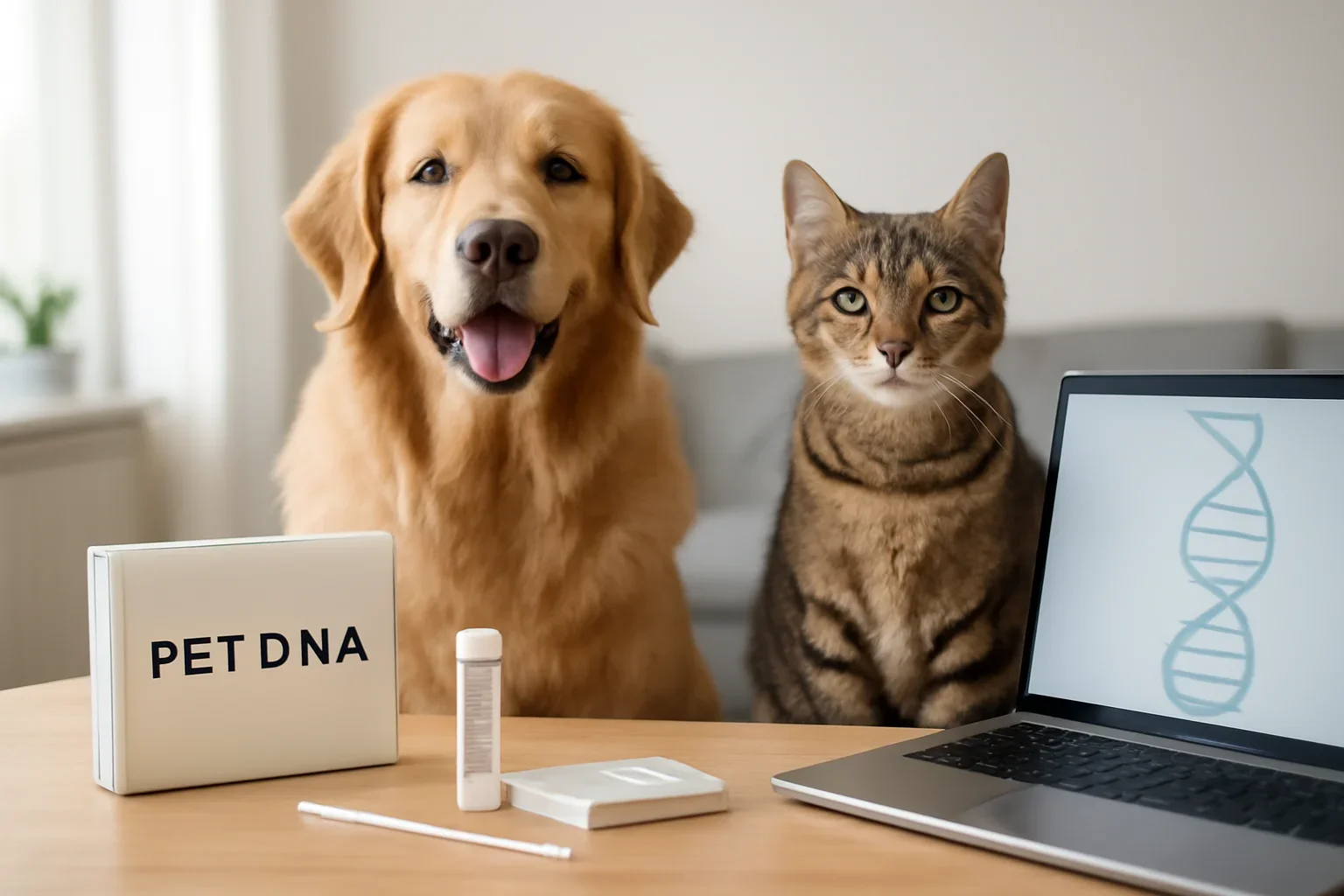
Begin with the outcome you need. This prevents a common mistake: ordering a breed test when you need health screening, or choosing a broad health panel when you need a focused mutation test.
The most useful report is the one matched to your real question, your animal’s species and the decision you need to make afterward.
Breed testing compares genetic markers with a breed reference database to provide ancestry-style information.
Disease panels review defined genetic variants associated with selected hereditary conditions.
DNA profiling creates an identity-style genetic record that may support documentation or parentage work.
Many dog and cat DNA tests begin with a non-invasive cheek swab. The exact preparation, swabbing and return instructions depend on the selected kit.
Match the species, testing purpose and relevant breed context before placing the order.
Follow the supplied instructions and avoid food, contamination or labeling mistakes.
Processing time normally begins after the laboratory receives an acceptable sample.
Use breed information as guidance and discuss health-related findings with a veterinarian.
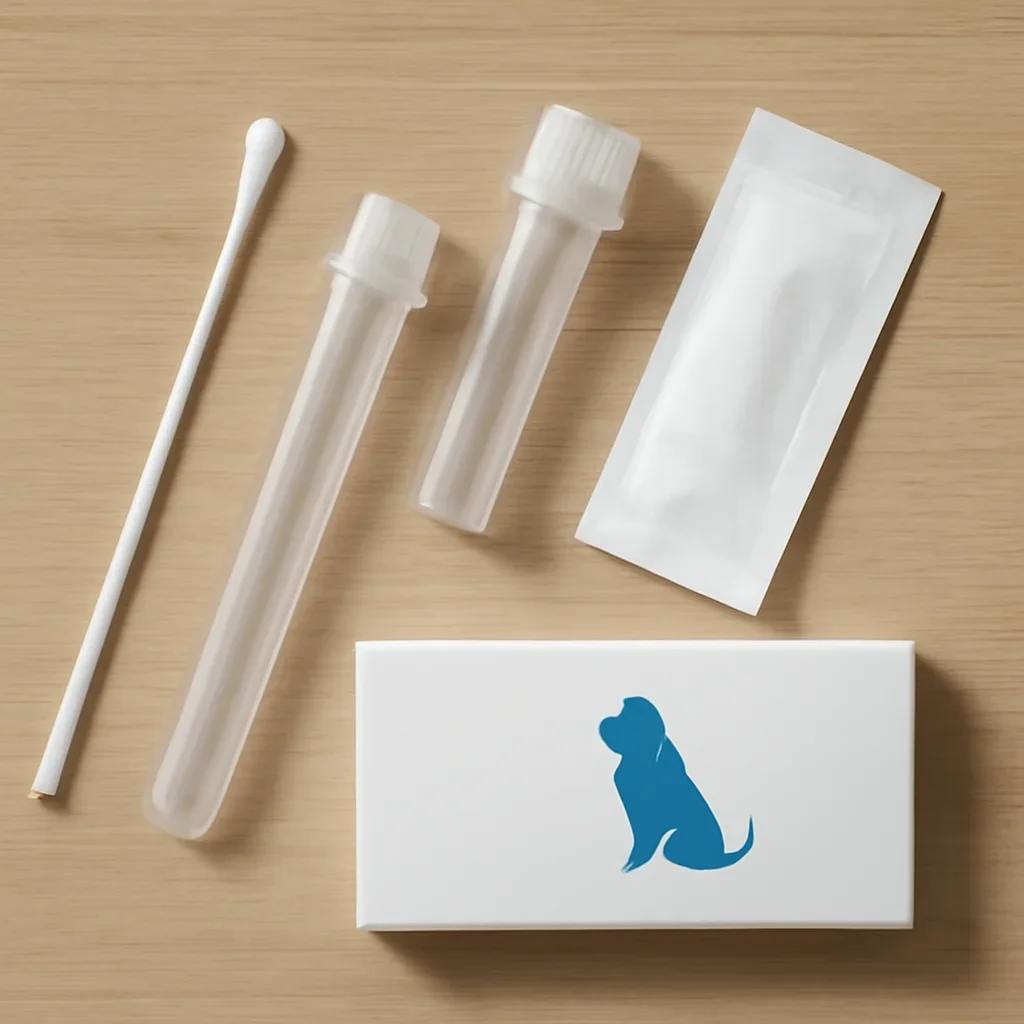
These practical details often matter as much as the test name.
Turnaround depends on the selected analysis and generally starts when the laboratory receives the sample, not when the order is placed.
Review turnaround factors ›Reliability depends on proper collection, an acceptable sample, the correct test category and appropriate interpretation.
Learn what affects accuracy ›Review the communication and reporting process connected to your order, especially when a breeder, clinic or third party is involved.
Read about private results handling ›Many eligible pet DNA tests can begin at home, so you may not need to visit a nearby collection center. Availability, sample return instructions and processing arrangements still depend on the exact test ordered.

The same result can have different practical meaning depending on who ordered it and why. uDNA separates personal curiosity, hereditary screening and record-oriented testing into clearer paths.
Breed results do not guarantee behavior. Genetic screening does not confirm every disease, rule out every future health issue or replace a veterinary examination. Seek veterinary care when your pet has symptoms, needs treatment or requires a clinical diagnosis.
Clear answers to the questions pet owners and breeders often ask first.
A dog breed test estimates ancestry-style breed composition. A dog disease test screens for selected inherited genetic variants. One test does not automatically provide the same information as the other.
Many pet DNA services use an at-home cheek swab. Always follow the instructions supplied with the exact kit because preparation, swabbing and sample return steps may differ.
Timing depends on the selected analysis. Some focused tests may take around ten working days, while broader breed or health reports may require several weeks after the laboratory receives the sample.
Not necessarily. A result may indicate that a pet is clear, a carrier or genetically at risk for a selected condition, depending on the test. A veterinarian should interpret health-related findings alongside symptoms, medical history and clinical evaluation.
No. A PKD test is a focused analysis for the PKD1 mutation associated with inherited Polycystic Kidney Disease. A broader feline panel can examine multiple conditions, traits or blood-group markers depending on the service selected.
Confirm the animal’s species, breed, registered identity, required disease markers, sample-labeling process and whether parentage or DNA profiling is also needed.
Start with the animal, the question you need answered and how the result will be used. uDNA can help you narrow the options before you commit to a test.