
Health-focused DNA testing

Compare selected genetic testing pages before you order.

Understand what each genetic test is designed to examine, how samples are collected, what the report may tell you and where its limitations begin.

uDNA helps people compare health-focused DNA testing options without treating every report as a diagnosis. Start with the biological question you want to explore, then review the collection process, reporting scope and appropriate next steps.

  • Clear test comparisons
  • At-home collection options
  • Private result access
Person comparing health-focused genetic testing options on a laptop with an at-home DNA collection kit
Start with the right question Different tests examine different genes, variants, pathways and health-related traits.
Purpose explained See what each test is intended to examine before ordering.
Collection clarified Review the expected sample method and preparation steps.
Results in context Understand whether findings concern traits, variants or predisposition.
Location guidance Explore information relevant to customers in selected U.S. states.
Choose by purpose

Popular genetic testing pages

These health-focused pages are not interchangeable. The most useful starting point is the page that closely matches the question you are trying to answer.

Which genetic test should I choose?

Choose the test that directly matches your concern. Methylation testing explores selected biological pathways, while lactose intolerance and celiac-related tests examine specific inherited markers associated with different responses or risks.

01
Pathway-focused report

DNA methylation test

Explore selected genetic variants connected with methylation-related pathways and learn how those findings may be organized within a wellness-focused report.

Review the methylation test
02
Inherited predisposition

Lactose intolerance test

Review genetic markers that may be associated with the ability to digest lactose. Results should be considered alongside symptoms, diet and professional advice.

Review lactose testing
03
Celiac-related markers

Celiac disease test

Examine whether selected genetic markers associated with celiac disease susceptibility are present. A genetic result alone does not confirm an active medical condition.

Review celiac testing
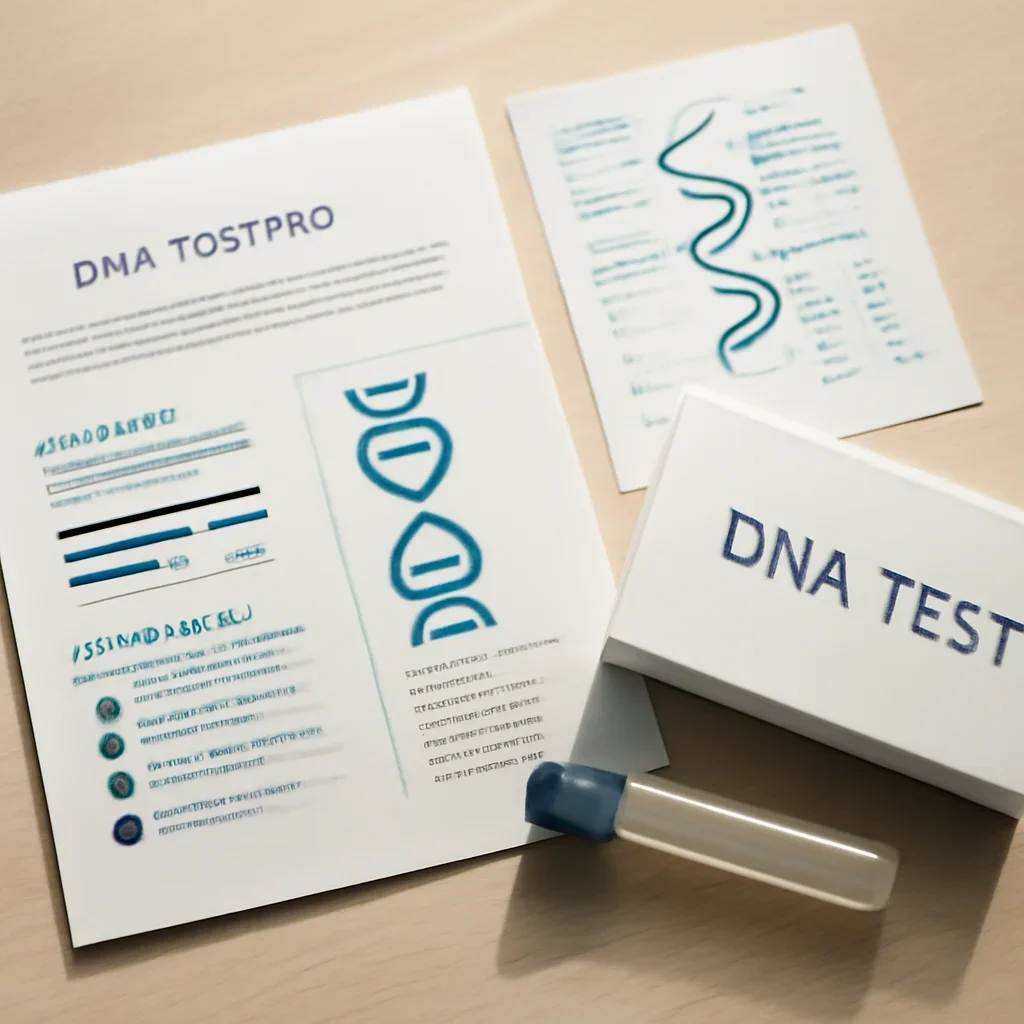
Health-focused genetic testing reports and DNA sample collection kit displayed together
Compare carefully

What changes from one genetic test to the next?

A useful comparison looks beyond the test name. The biological target, sample method, laboratory analysis and wording of the final report can all change what the result means.

  • The biological question: A methylation report, lactose-related test and celiac marker screen investigate different genes or biological relationships.
  • The type of finding: Results may describe a variant, trait, inherited predisposition or pathway-related observation.
  • The sample requirements: Many tests use a non-invasive oral swab, but collection requirements depend on the selected analysis.
  • The reporting window: Turnaround generally begins after the laboratory receives an acceptable sample, not when an order is placed.
Side-by-side overview

Compare the purpose of each test

Use this overview to narrow your options before reviewing the complete product information.

Testing page Primary focus What the report may support Important limitation
DNA methylation Selected variants involved in methylation-related pathways A broader discussion about pathway-related genetic information It should not be treated as a complete measurement of current health
Lactose intolerance Inherited markers associated with lactose digestion Understanding a possible genetic predisposition Symptoms may have causes that are not explained by the tested variants
Celiac disease Selected markers associated with celiac susceptibility Understanding whether relevant inherited markers are present A positive marker does not independently diagnose active celiac disease
At-home process

How health-focused DNA testing generally works

The precise instructions can differ by product. Always follow the directions included with the selected kit so the laboratory receives a usable sample.

1

Choose a test

Select the page that matches the genetic question you want to explore.

2

Collect the sample

Follow the kit instructions and complete the required at-home sample collection.

3

Return the kit

Package and return the sample using the directions provided with your order.

4

Review the report

Read the findings, definitions and stated limitations before acting on a result.

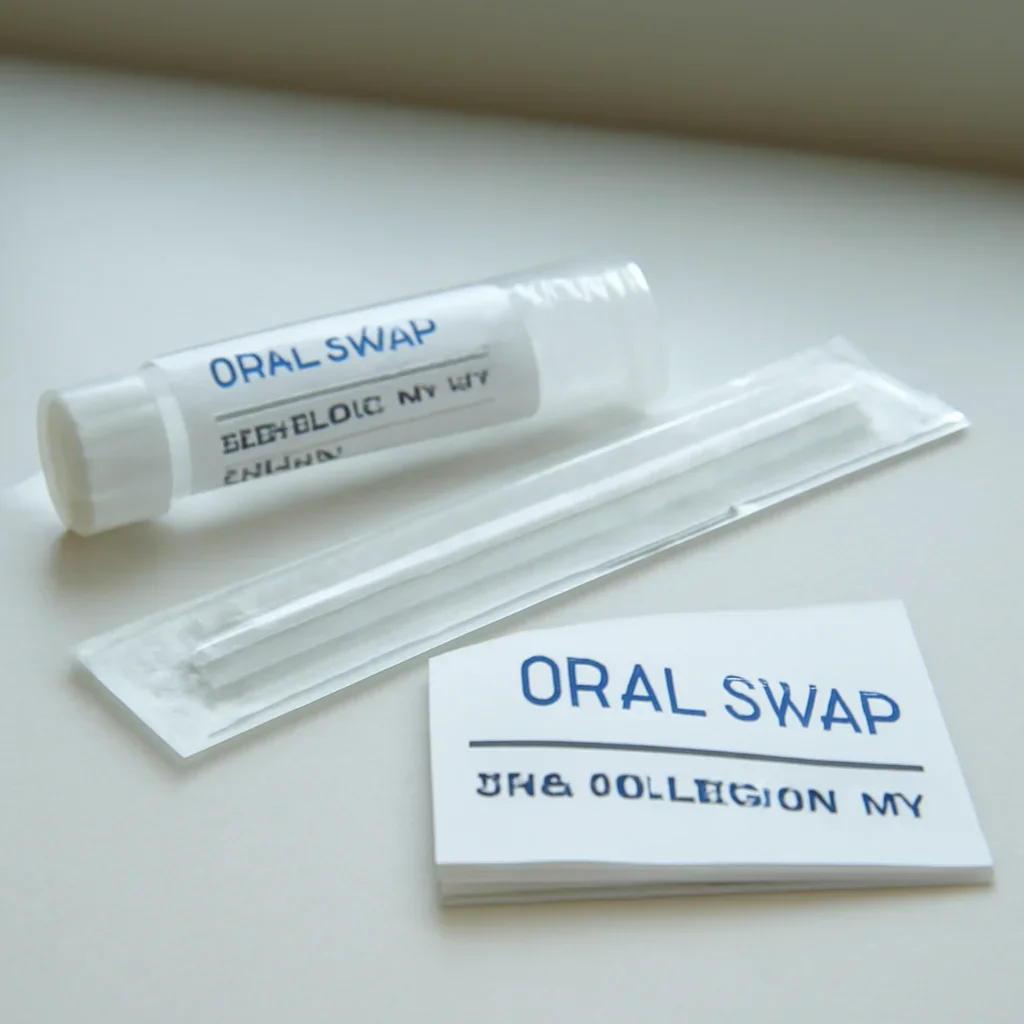
Oral swab DNA testing kit prepared for at-home health-focused genetic screening
Customer carefully reviewing a private health-focused DNA test report at home
Responsible interpretation

Read genetic results in the right context

Genetic findings can be useful, but their meaning depends on what was tested and how the report describes the result. A single variant rarely provides a complete picture of current health, symptoms, diet, lifestyle or future outcomes.

  • Read the methodology: Confirm which genes, markers or variants were included in the analysis.
  • Check the report language: “Associated with” and “predisposition” do not mean that a condition is confirmed.
  • Consider other evidence: Symptoms, family history, clinical testing and professional assessment may still matter.
  • Protect your information: Review how results are delivered and what account or privacy controls are available.
Medical context: Health-focused genetic testing is informational and should not replace diagnosis, treatment or advice from a qualified healthcare professional.
Location-focused guidance

Explore DNA testing information for your area

Testing availability, delivery expectations and collection logistics can depend on the selected product and destination. Review the appropriate location page before ordering.

Always confirm the current product details, shipping information and collection instructions shown during the ordering process.

Selected state guides

Genetic testing FAQ

Answers to common questions

These answers provide general guidance. The individual test page and kit instructions should remain your primary source for product-specific information.

What can a health-focused genetic test tell me?

Depending on the test, a report may identify selected inherited variants, traits, pathway-related observations or predispositions. The answer is limited to the genes and markers included in that specific analysis.

Can a genetic test diagnose a health condition?

Not necessarily. Many consumer-oriented reports provide informational findings or predisposition data rather than a medical diagnosis. Diagnostic decisions may require clinical evaluation and additional testing.

Which genetic testing page should I start with?

Start with the test that most directly matches your question. Use the methylation, lactose intolerance or celiac disease pages to compare the focus and limitations of each option before purchasing.

How is an at-home DNA sample collected?

Many at-home tests use an oral swab. Collection methods can vary, so follow the preparation, swabbing, packaging and return instructions included with the selected kit.

When does the DNA test turnaround time begin?

The laboratory reporting period generally begins after the sample arrives and is accepted for analysis. Ordering, delivery and return-shipping time may occur before laboratory processing starts.

Should I discuss my genetic results with a healthcare professional?

Professional guidance may be appropriate when a result could affect healthcare, diet, symptoms, medication or medical decisions. Bring the full report so the professional can review the tested markers and stated limitations.

Choose with confidence

Need help choosing the right DNA test?

Tell uDNA whether you are comparing methylation, lactose intolerance, celiac-related screening or another genetic testing question. Start with the page that best matches the information you want to understand.

Support specialist helping a customer compare appropriate genetic testing options