Insufficient sample material
Collecting too little material or shortening the required collection time can leave the laboratory without enough usable DNA.
Many uDNA tests are designed to begin at home, allowing you to collect an approved sample privately and return it using the instructions supplied with your kit. This guide explains how the process generally works, what can affect sample quality and when supervised collection may be required.
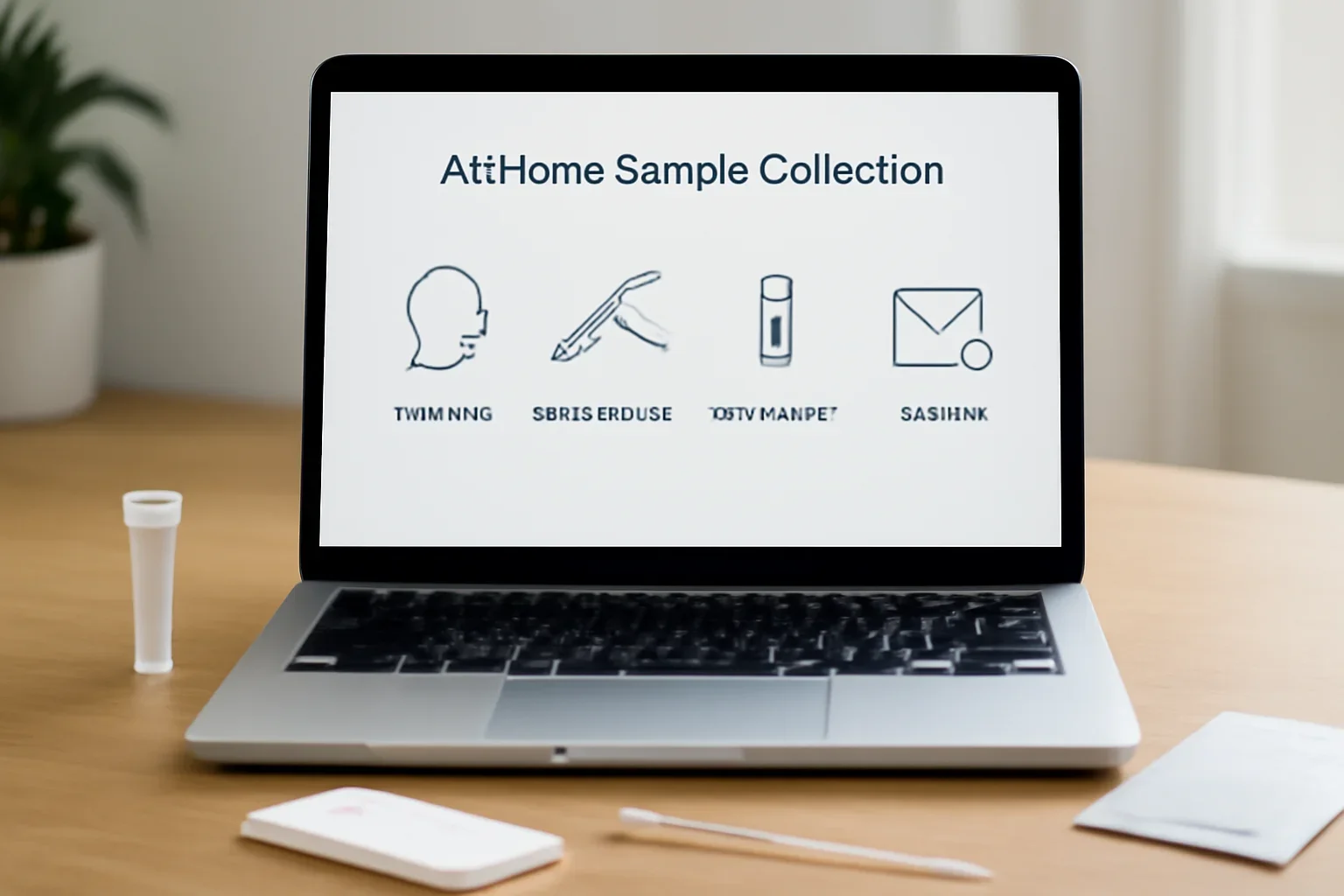
Yes. Many informational DNA and genetic testing kits allow customers to collect a sample at home. Depending on the test, the approved sample could be a cheek swab, saliva or another material specified in the kit. Legal, court-admissible, immigration and certain specialized tests may require verified identity, witnessed collection or documented chain of custody instead.
Your enclosed instructions are the primary source of guidance. These general steps can help you understand what to expect before opening the kit.
Check that the kit matches the test ordered and review every collection, labeling and return requirement.
Wash and dry your hands, prepare a clean workspace and observe any eating, drinking or timing restrictions stated in the kit.
Use only the supplied materials and avoid touching collection surfaces that could introduce contamination.
Complete required identifiers, seal each component and use the return address or shipping route provided for that specific test.
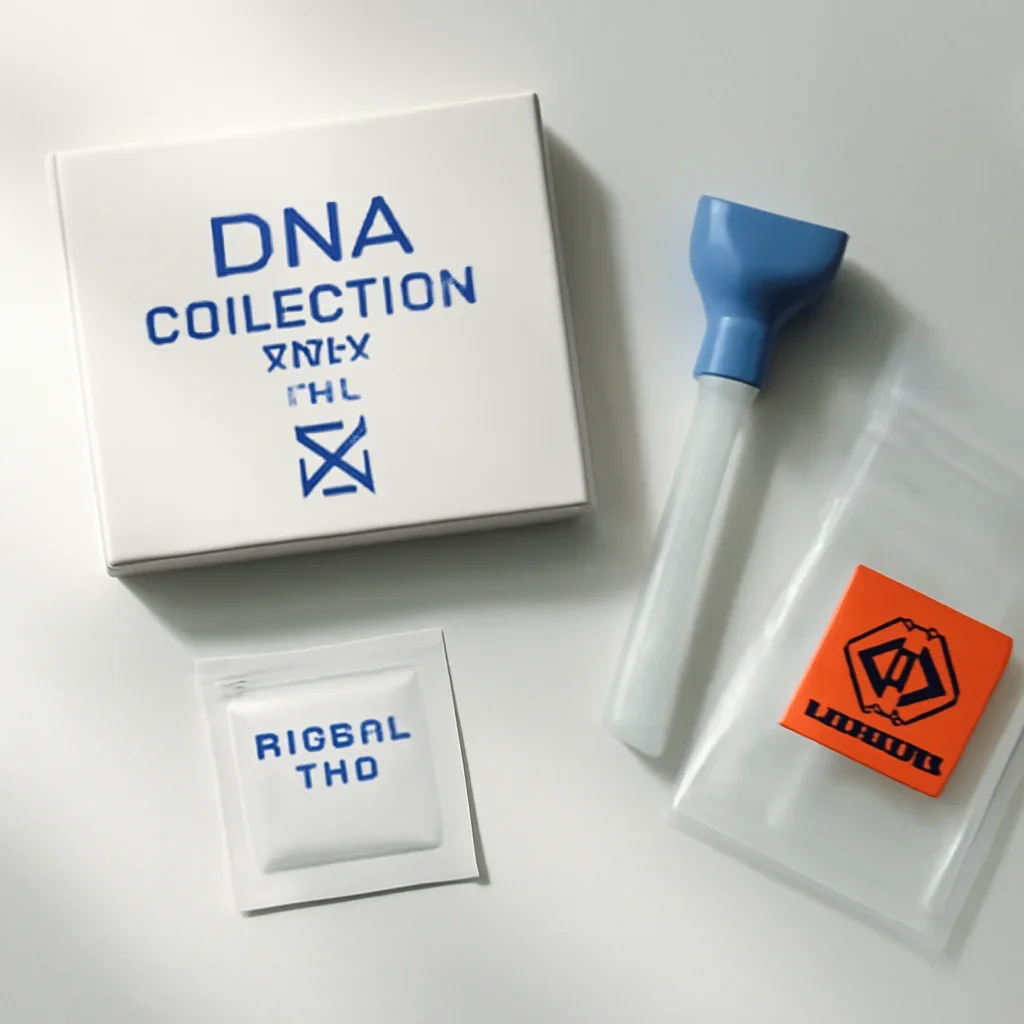
A few minutes of preparation can reduce avoidable delays and help ensure that the laboratory receives a properly identified, correctly packaged sample.
A laboratory may be unable to produce a result when a sample is incomplete, contaminated, mislabeled or returned incorrectly.
Collecting too little material or shortening the required collection time can leave the laboratory without enough usable DNA.
Touching the collection end, mixing kit components or collecting near another participant can affect sample integrity.
Incomplete identifiers can make it difficult to associate a sample with the correct order, participant or pet.
Loose, wet, damaged or incorrectly sealed collection materials may not remain suitable during transportation.
Different tests may use different processing facilities or shipping addresses. Use only the route supplied with your kit.
Food, drinks, medications, recent activity or collection timing may matter for some sample types and should be checked in advance.
Eligible at-home tests can be ordered online and collected from your home, whether you live in a large city, suburban community or a more rural area. Kit availability, delivery timing, return shipping and sample requirements can still vary by test and location.
Customers who need legal documentation, witnessed collection or a specialized workflow should confirm the correct process before ordering an at-home kit.
The correct option depends on how the result will be used. An informational test and a legally documented test may analyze similar biological material but follow different identity and handling rules.
Convenience and personal information are the primary goals.
The result must meet legal, administrative or specialized standards.
Processing steps and turnaround times depend on the test selected, the condition of the sample, shipping time and the laboratory workflow.
The package travels to the return destination provided with the kit.
Submitted materials may be checked for identification, condition and suitability for processing.
The applicable laboratory workflow is completed for the test ordered.
Available results are provided through the delivery method associated with the order.
Before choosing a test, consider how the sample is processed, how results are delivered and whether the testing workflow fits your intended use.
Some relationship-testing situations may require testing through an appropriately accredited laboratory and a documented collection process.
Read about AABB-accredited labs →Review how personal information, account access and applicable DNA test results are handled before submitting a sample.
Explore private and secure results →Result quality depends on the test methodology, usable sample material, laboratory procedures and the type of conclusion being reported.
Learn about DNA test accuracy →These answers cover common collection questions. Always follow the instructions supplied with your exact test kit.
No. Many at-home DNA kits use a cheek swab or saliva sample, but some genetic, wellness, veterinary or specialized tests may use a different sample type. Use only the collection materials and sample method specified for your test.
Preparation requirements vary. Some oral sample kits require you to avoid eating, drinking, smoking, chewing gum or brushing your teeth for a stated period before collection. Check the enclosed instructions before beginning.
Stop and review the kit instructions. Do not substitute household materials or continue with a visibly contaminated component. Contact support before mailing the sample when you are unsure whether it remains usable.
Only when the kit instructions specifically allow it. Every sample must be clearly associated with the correct participant, order and collection materials. Keep separate kits apart during collection to reduce mix-ups or contamination.
A self-collected informational test is generally not the same as a legally documented test. Court-admissible testing may require identity verification, witnessed collection and a documented chain of custody.
Use the packaging, return address and shipping method included with the kit. Do not assume that every uDNA test uses the same return facility or mailing process.
Tell uDNA what you are trying to learn and how the result will be used. The team can help clarify whether an at-home kit, supervised collection or another testing workflow may be appropriate.