01
Covered healthcare workflow
HIPAA may apply when individually identifiable genetic information is created, received, maintained, or transmitted by a covered healthcare provider, health plan, clearinghouse, or business associate.
This page explains, in practical terms, when HIPAA may apply to genetic information, why coverage can depend on the provider or laboratory involved, and which privacy documents you should review before ordering a test.
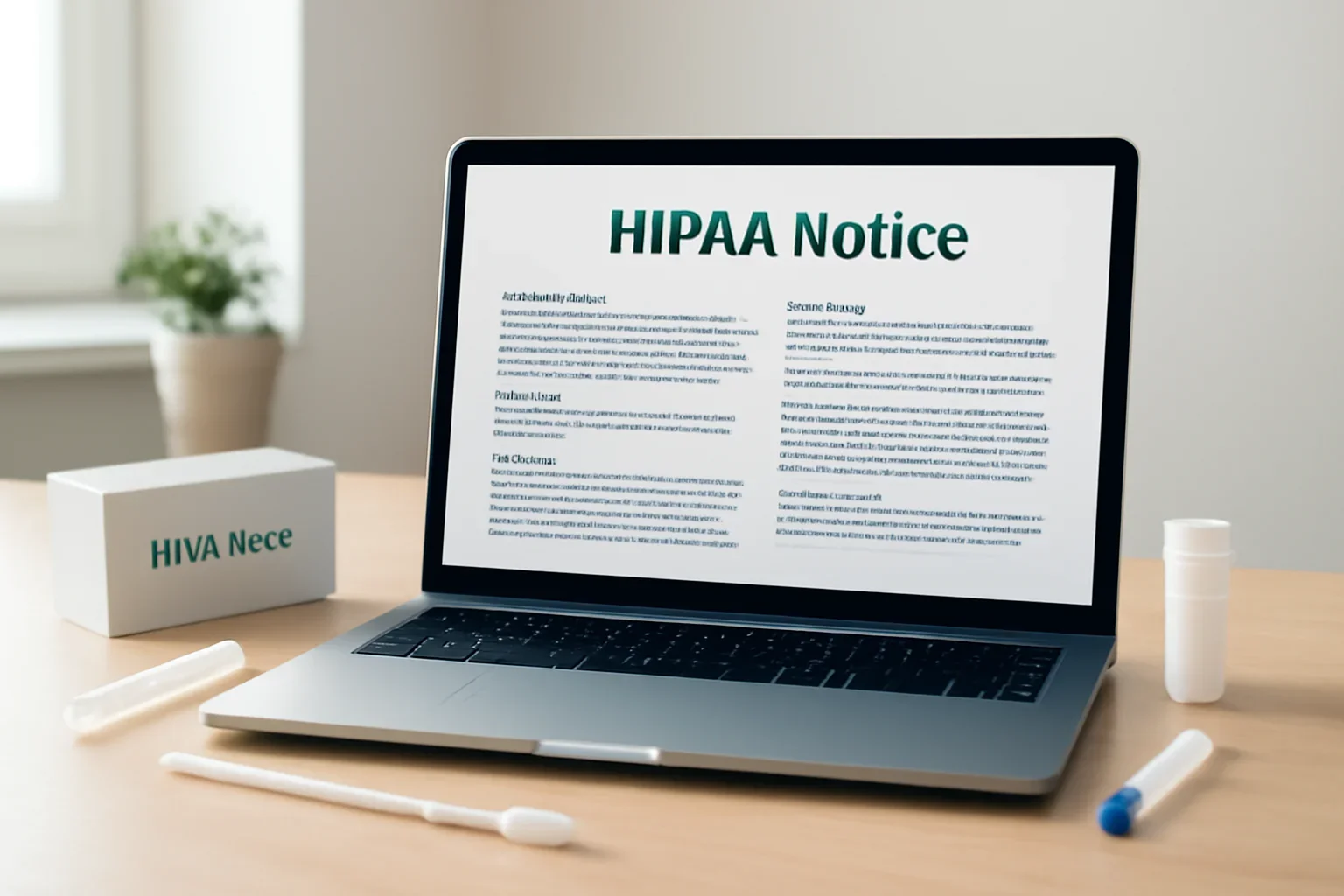
DNA information is not automatically protected by HIPAA in every setting. HIPAA generally applies when identifiable health information is handled by a covered entity or its business associate in a regulated healthcare workflow.
This page provides a general overview of health-information handling in situations where HIPAA may apply through a healthcare provider, laboratory, health plan, or other regulated partner.
It does not replace the formal Notice of Privacy Practices, authorization, consent form, laboratory policy, or collection documentation issued for the service you actually use.
When a clinic, physician, laboratory, collection site, employer, court, or other organization is involved, review the documents supplied by that organization before providing a sample.
The type of data, who holds it, why it was collected, and the relationship between the organizations involved can all affect which privacy requirements apply.
HIPAA may apply when individually identifiable genetic information is created, received, maintained, or transmitted by a covered healthcare provider, health plan, clearinghouse, or business associate.
A DNA test purchased directly by a consumer may not automatically fall under HIPAA. Other federal or state privacy, security, consumer-protection, and breach-notification rules may still apply.
When another provider, laboratory, clinic, or collection partner participates, its privacy notice and consent terms may govern part of the testing process.
These examples are general guidance. The actual result depends on the organizations, transactions, contracts, and testing purpose involved in a specific case.
Not every DNA testing workflow is handled by the same type of provider, and not every uDNA website interaction, order, laboratory relationship, or testing service necessarily falls under HIPAA.
Always review the privacy notice, consent documentation, and collection instructions that apply to the specific laboratory, clinic, provider, or collection setting involved in your case.
HIPAA gives individuals specific rights concerning protected health information. The organization holding the information should explain how to exercise the rights that apply to its services.
You may have the right to inspect or request a copy of protected health information held by a covered organization.
You may be able to request an amendment when information in a regulated health record is inaccurate or incomplete.
You may be able to ask a covered organization to contact you using an alternative address or communication method.
You may have rights relating to how protected information is used, shared, or disclosed in certain circumstances.
You may request limits on certain uses or disclosures, although an organization is not required to accept every request.
A provider-specific notice should explain how to submit a privacy complaint and identify the responsible privacy contact.
Different documents address different parts of an order. Reading the relevant documents before purchasing can help you understand the testing process and the role of each organization.
Review how the uDNA website describes information collection, account activity, communications, and general privacy practices.
Review the privacy policy →A participating laboratory, clinician, clinic, or collection provider may issue separate privacy and consent documentation for its part of the service.
Learn about laboratory standards →Review the limitations of testing information, including when professional medical, legal, or other qualified guidance may be appropriate.
Read the legal disclaimer →Privacy, consent, genetic-testing, laboratory, and consumer rules can differ by state. The applicable requirements may depend on where you live, where the sample is collected, the purpose of the test, and which organization processes the information.
Use these steps to identify which documents and testing procedures are relevant before you submit personal information or a DNA sample.
Determine whether the test is for personal information, health screening, legal use, relationship testing, or pet DNA analysis.
Check which provider, laboratory, collection partner, or other organization will receive the sample and information.
Review the privacy policy, consent language, test limitations, and any provider-specific Notice of Privacy Practices.
Confirm whether standard at-home collection or a documented legal chain-of-custody process is required.
Tell uDNA what you need the test for, and our team can help you identify the appropriate test category, sample method, expected workflow, and documents to review before ordering.

This page provides general educational information and does not create a patient-provider relationship, serve as a formal Notice of Privacy Practices, or provide legal or medical advice. Privacy obligations and individual rights depend on the facts, organizations, service type, contracts, and laws involved in a specific testing workflow.